
Beat Movement
The Beat Movement of the 1940s and the 1950s encapsulated multidisciplinary art forms, including painting, sculpture, works on paper, poetry, music, dance, and more. With major centers in New York City and San Francisco, the movement was representative of the rebellious youth coming of age in the post-WWII period. On the West Coast, significant developments in artistic styles especially at the California School of Fine Arts signified the leading role that students and younger artists played during the time. Many of the older artists who participated were Bohemians and were known for their free-thinking. Beat Art is defined by collaboration, remarkable freedom, a push-and-pull with abstract expressionism, and exploration of figurative styles. The Beat Movement is also marked by a significant number of artist-led cooperative galleries including the Metart Gallery, the King Ubu Gallery, the Spatsa Gallery, the 6 Gallery, the East West Gallery, and the Batman Gallery. These spaces did not just serve visual artists, but they also served as hosts to the literary giants, poets, and musicians who defined the era. One of the most iconic moments of the entire Beat Movement took place at the 6 Gallery, when Allen Ginsberg publicly read the Howl for the first time.
A life-long fan of jazz music and poetry John Natsoulas strove to form relationships with artists, musicians, and poets who participated in the San Francisco Beat Movement. He has published and exhibited these artists extensively, and conducted well over 200 interviews with the surviving participants during the 1980s and 1990s. Beginning in the 1980s, Natsoulas hosted the annual conference entitled the “Beat Generation and Beyond” and later the “Davis Jazz Beat Festival”. These events brought together the famous faces of the Beat era with a modern audience, while promoting contemporary music and poetry.
Selection of Publications
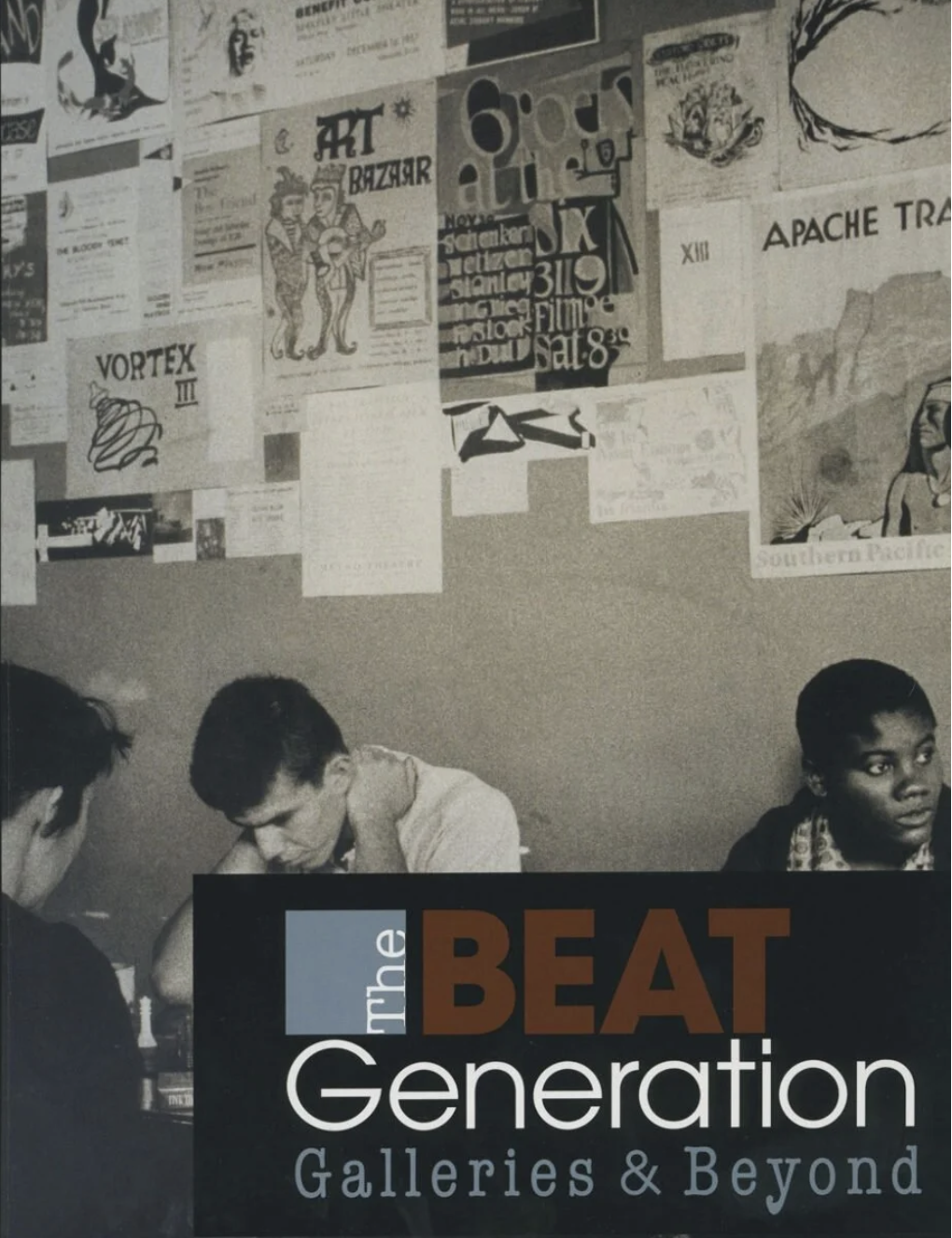
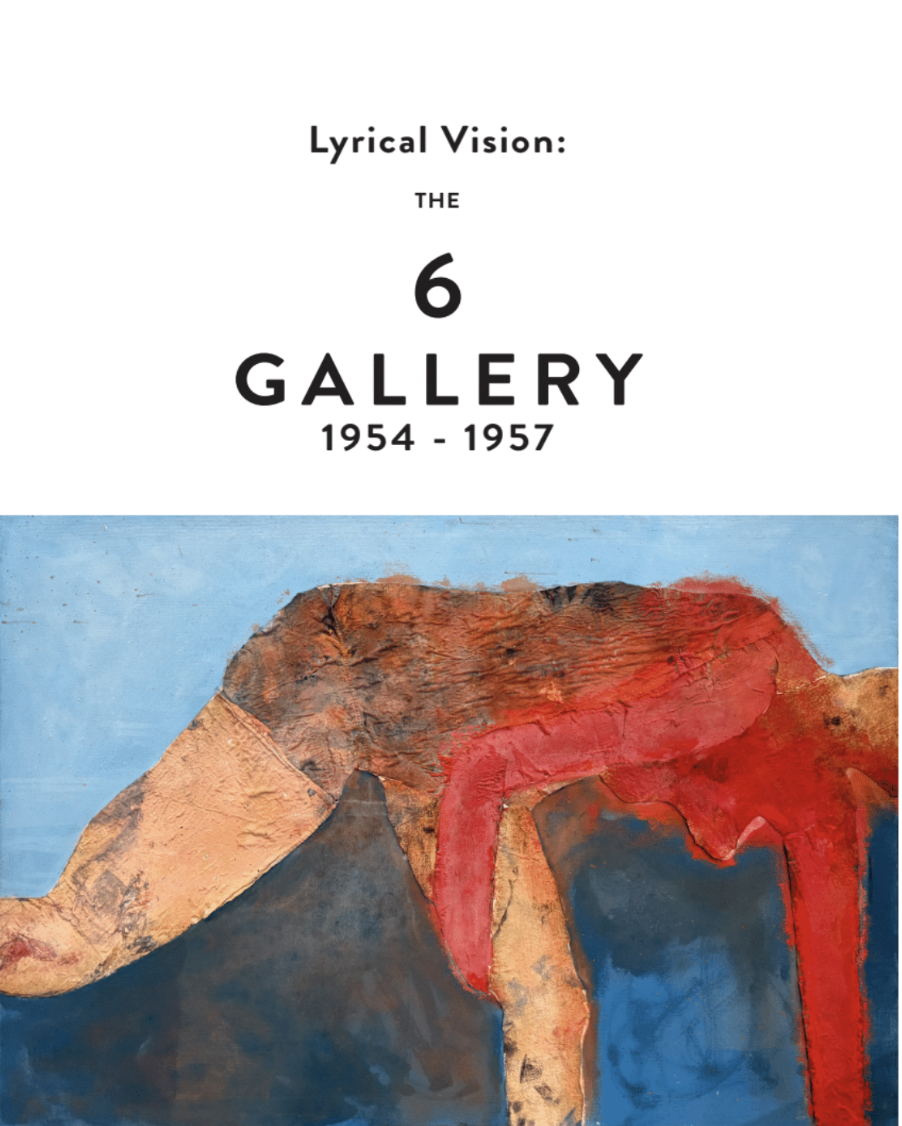
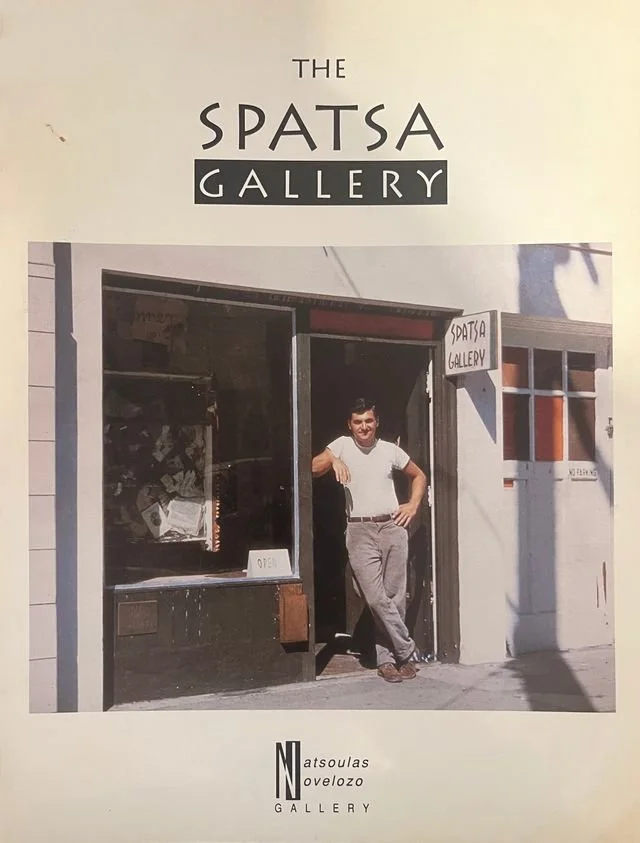
Faces of Beat Art
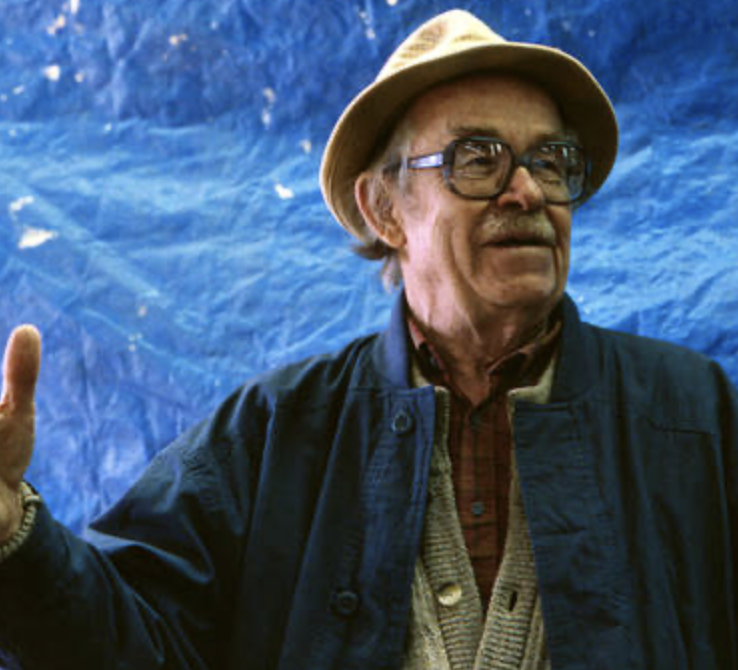
Hassel Smith
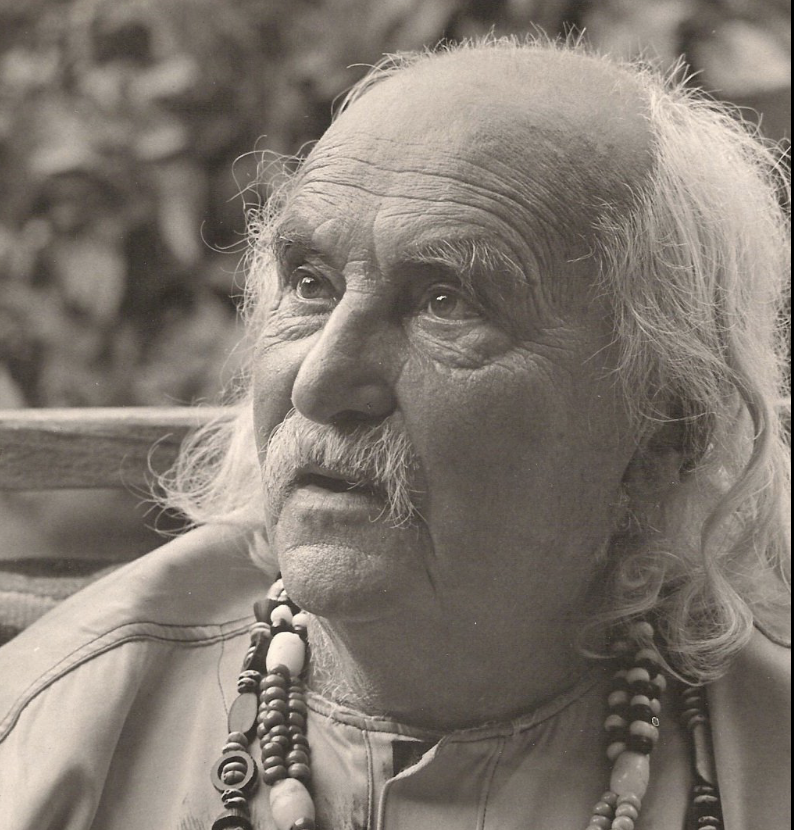
Jean Varda
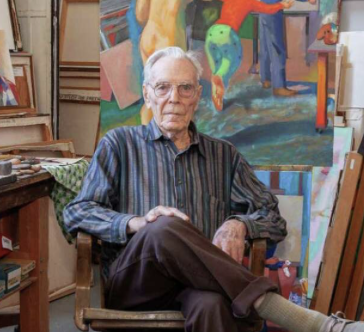
Bruce McGaw
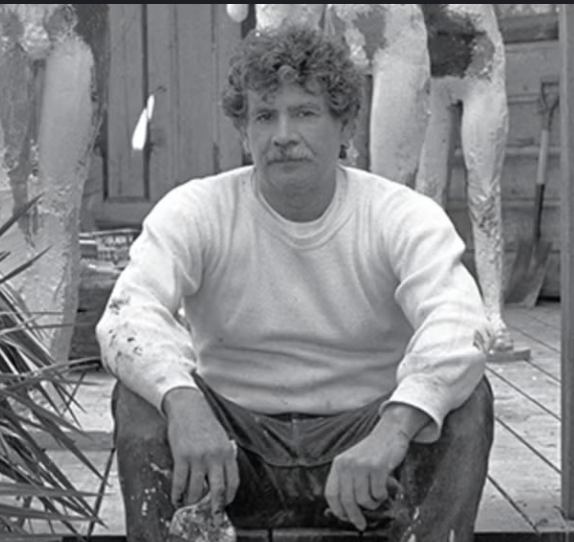
Manuel Neri
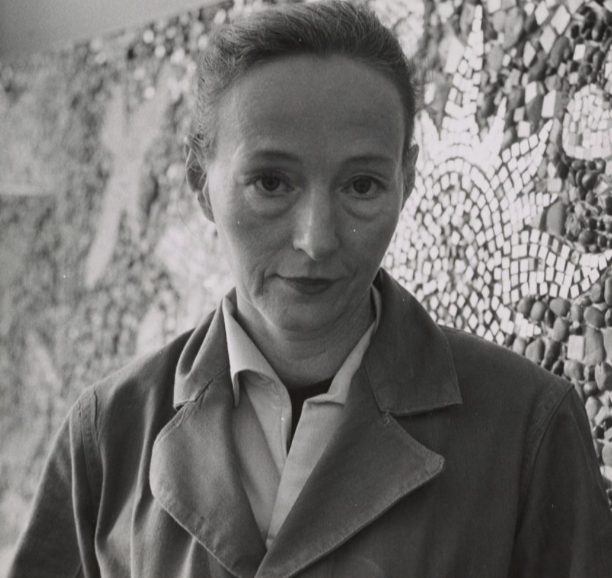
Emmy Lou Packard
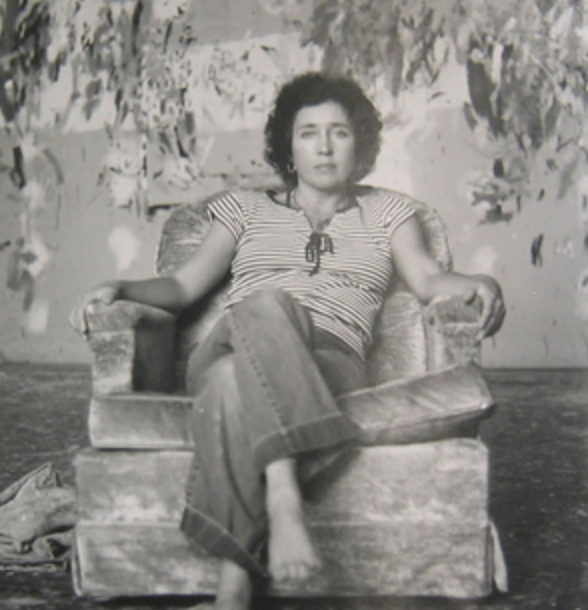
Joan Brown
Beat Art on View
The John Natsoulas Gallery regularly exhibits works by premier Beat artists, and John Natsoulas frequently curates exhibitions about the movement, including the 2025 show “Lyrical Vision: 6 Gallery (1954-1957) Revisited”
Beat Art Available Now
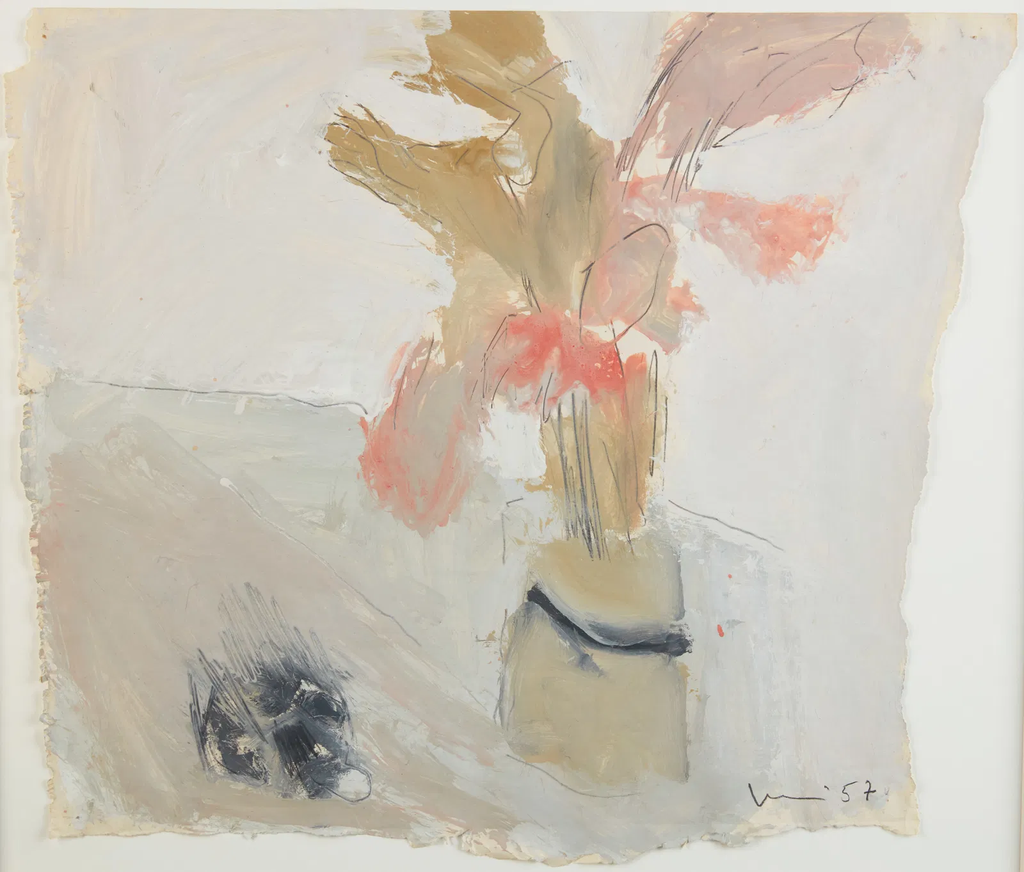
Manuel Neri, Untitled Floral Study No. 1, 1957, Tempera and pencil on wove paper, 19 x 22 in
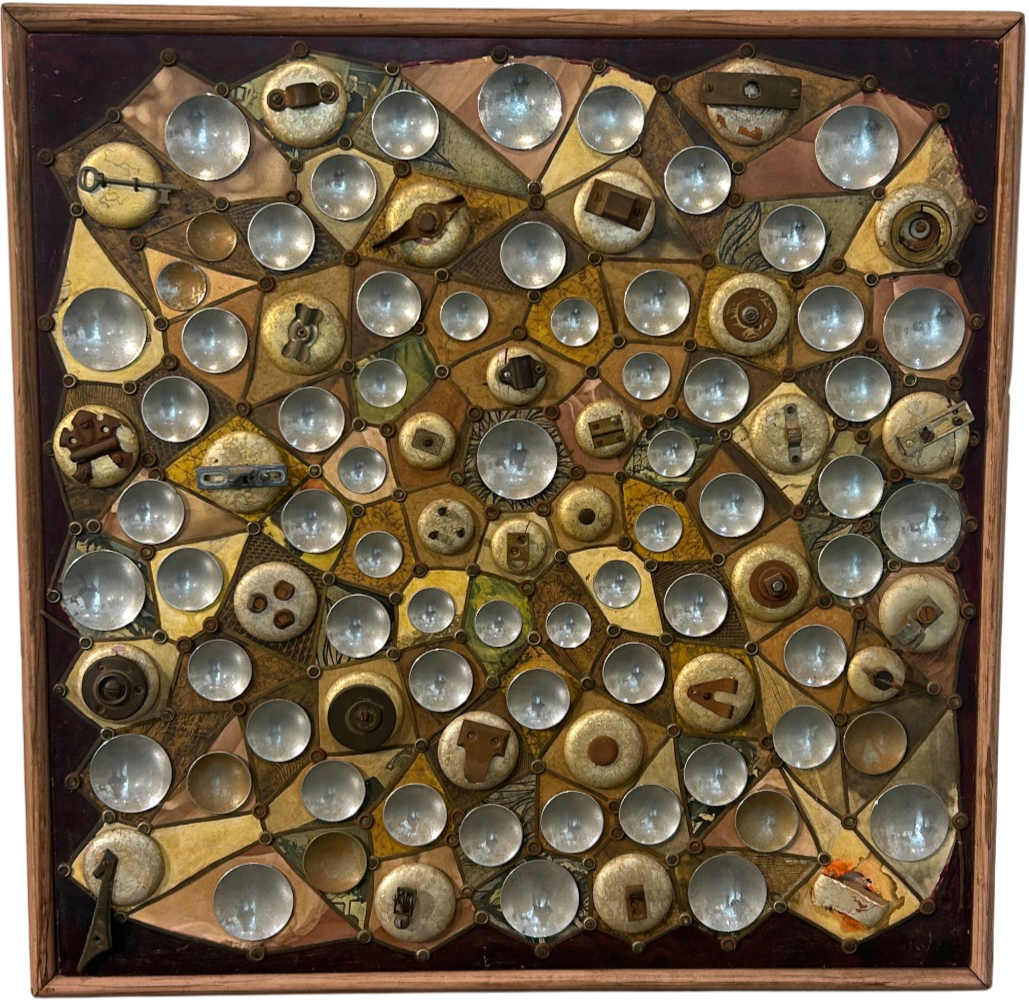
Bruce Connor, Puzzle, 1957, Mixed Media, 29 x 29 x 1.5 in
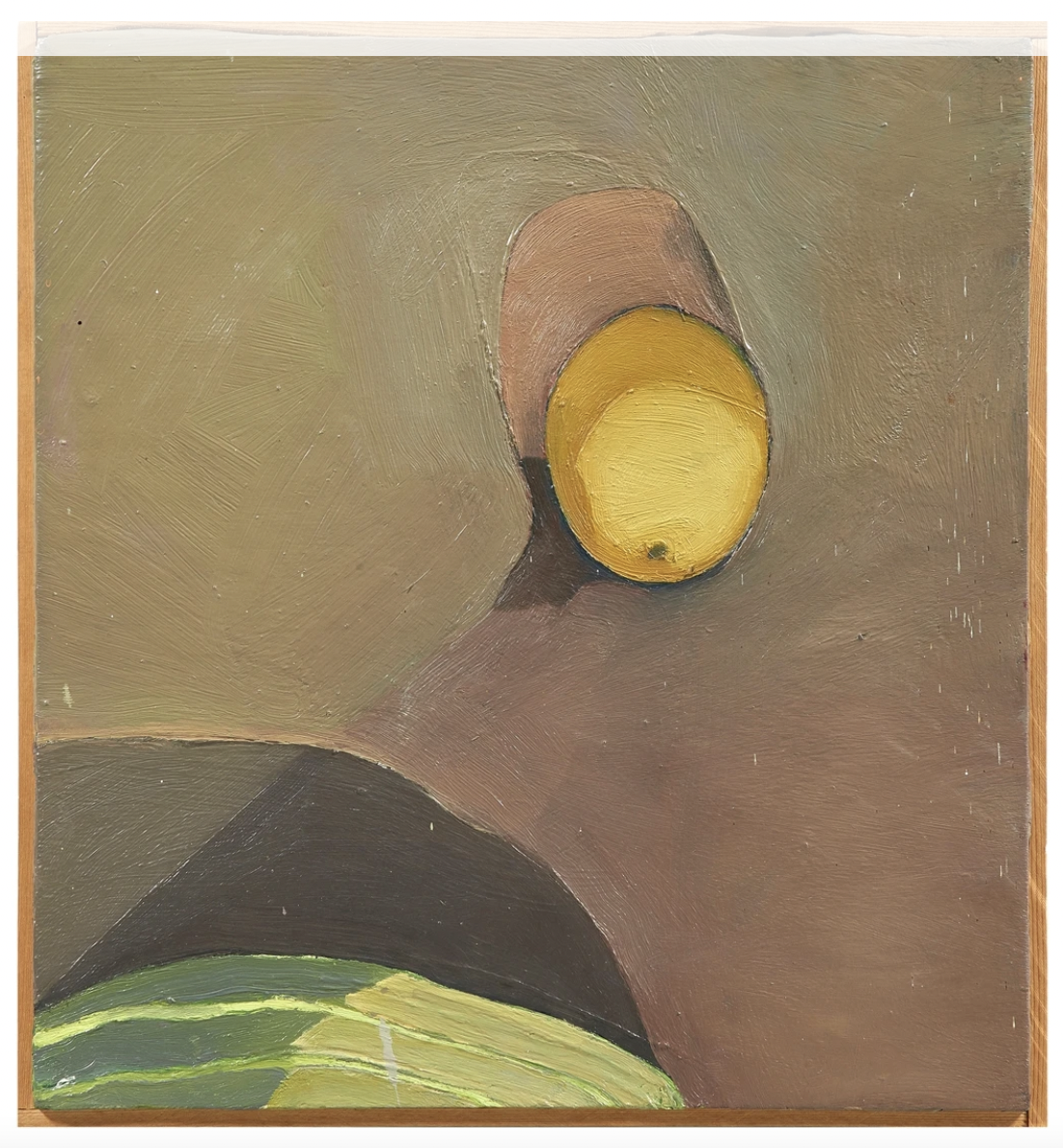
Joan Brown, Cucumber and Lemon, 1965, Oil on plywood, 16.25 x 15 in
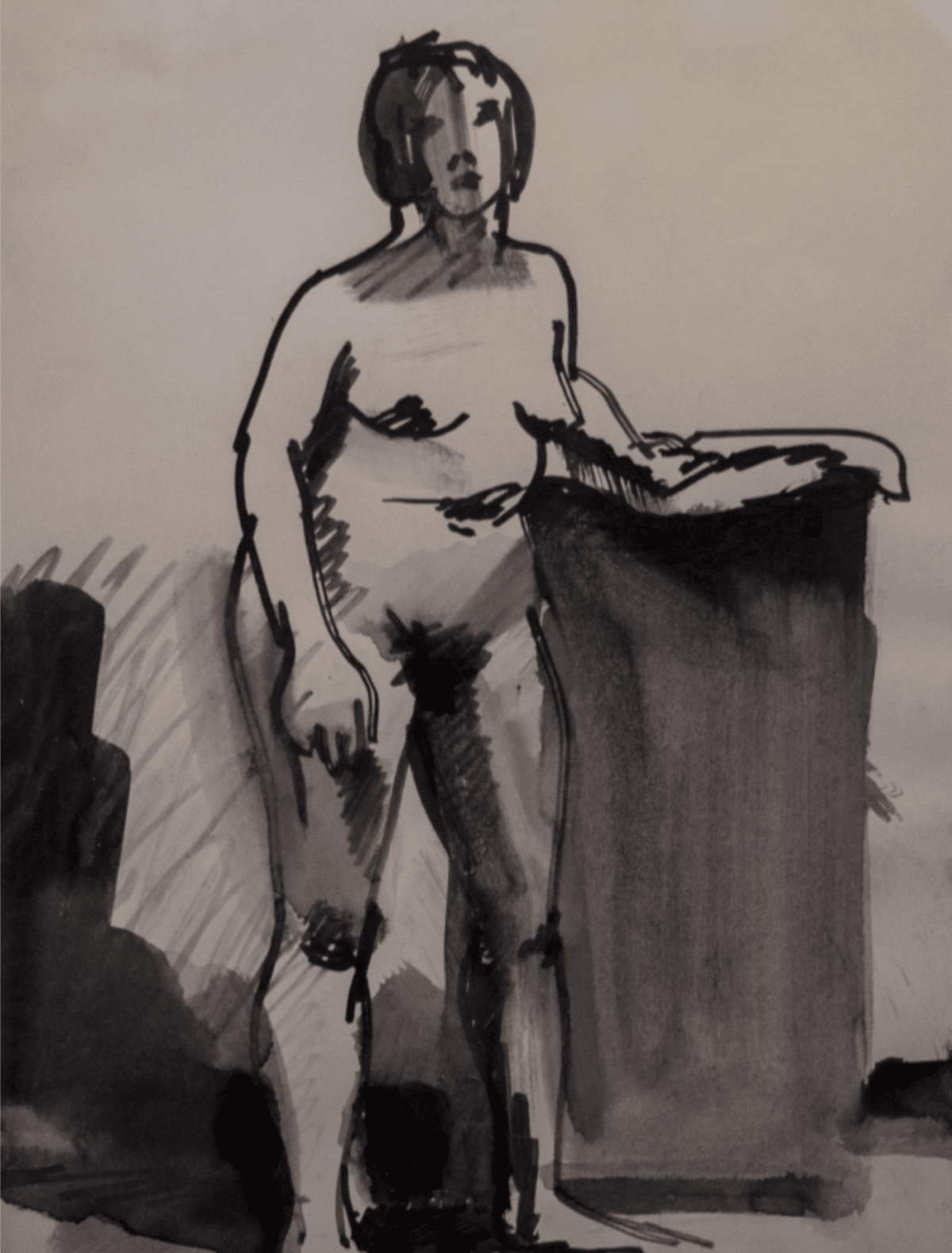
Elmer Bischoff, Woman with Towel, 1959, Ink Wash on Paper
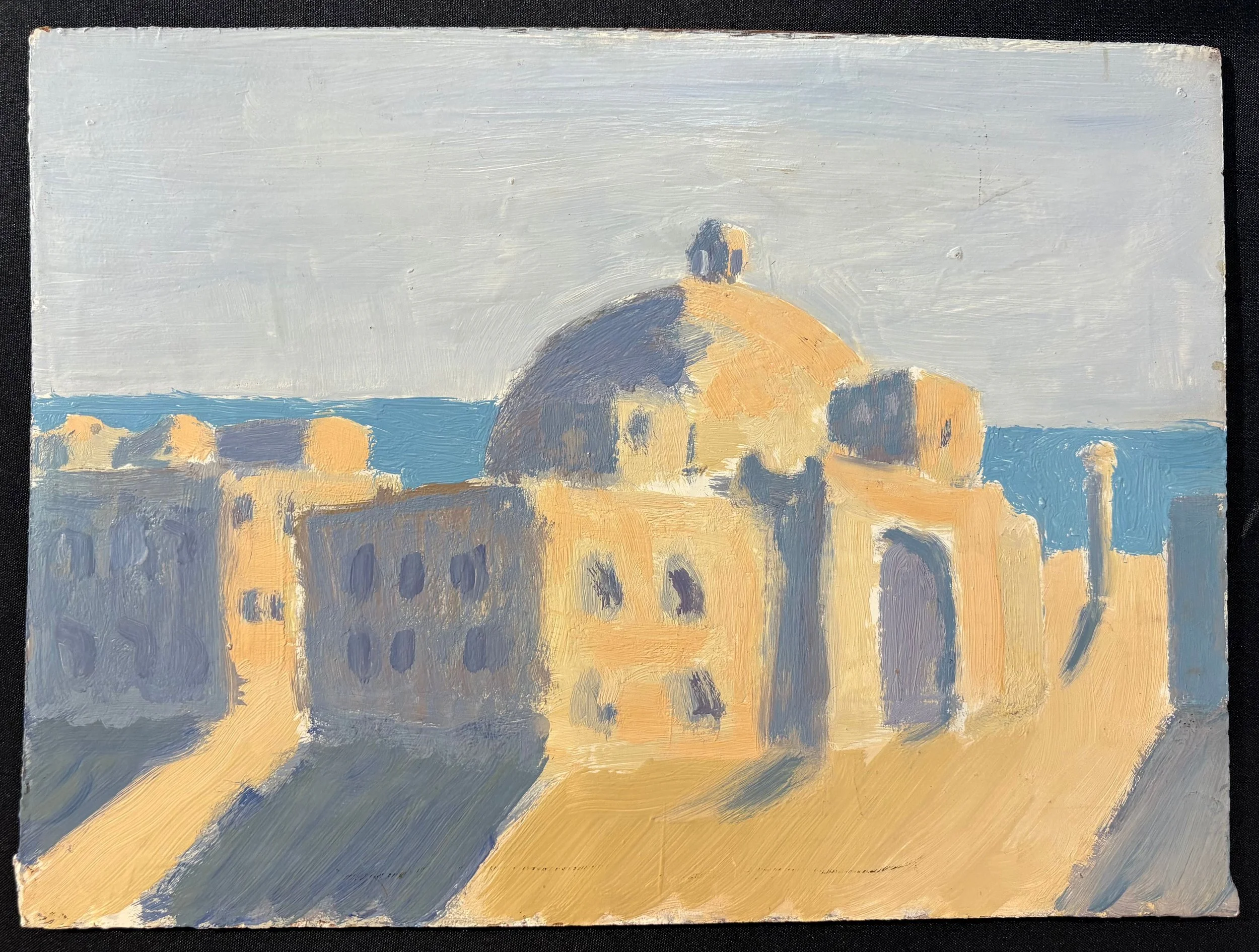
Fred Martin, Architecture, 1955, Oil on Masonite, 10.5 x 14 in
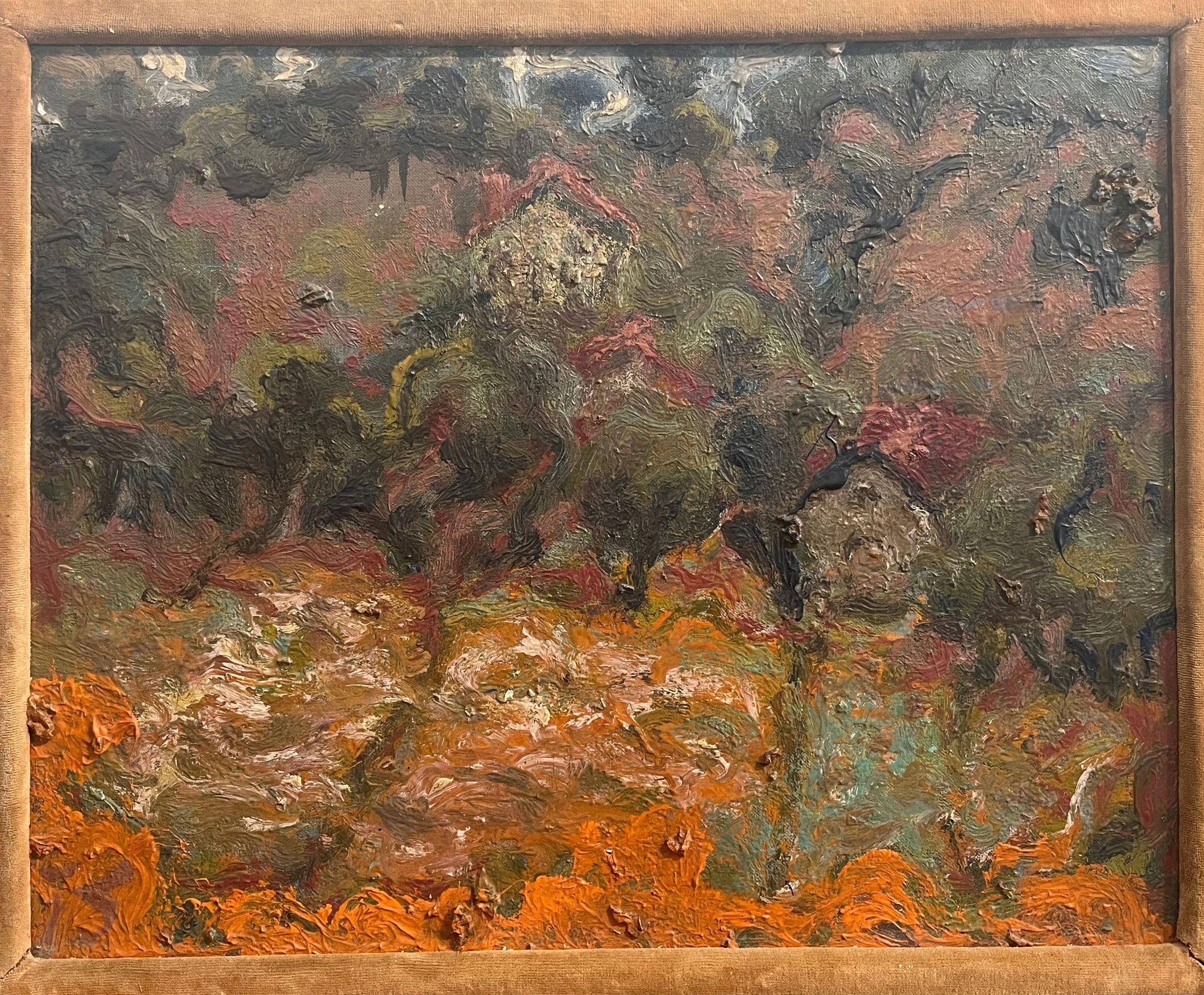
Jess, Untitled, 1957, Oil on canvas with velvet frame, 17 x 21 in
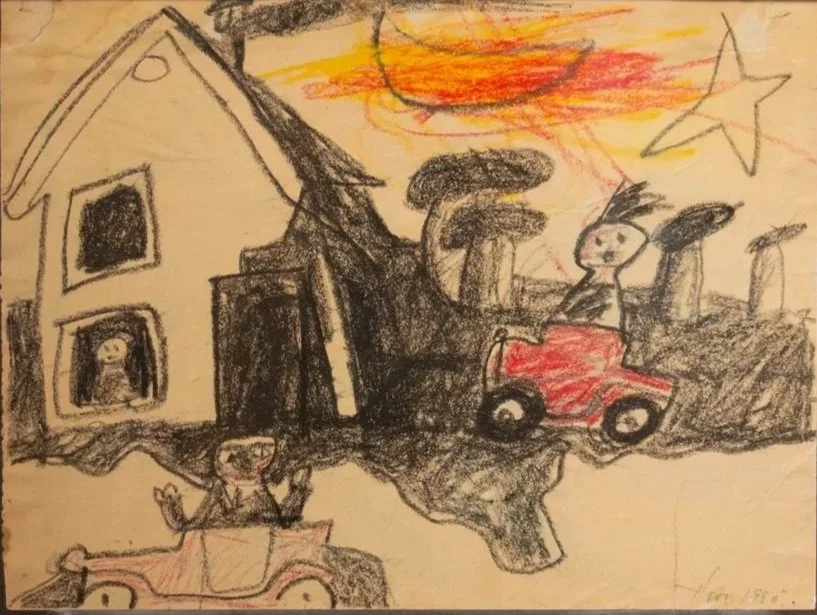
Hassel Smith, Ride Home, 1950, Crayon on paper8.5 x 11 in
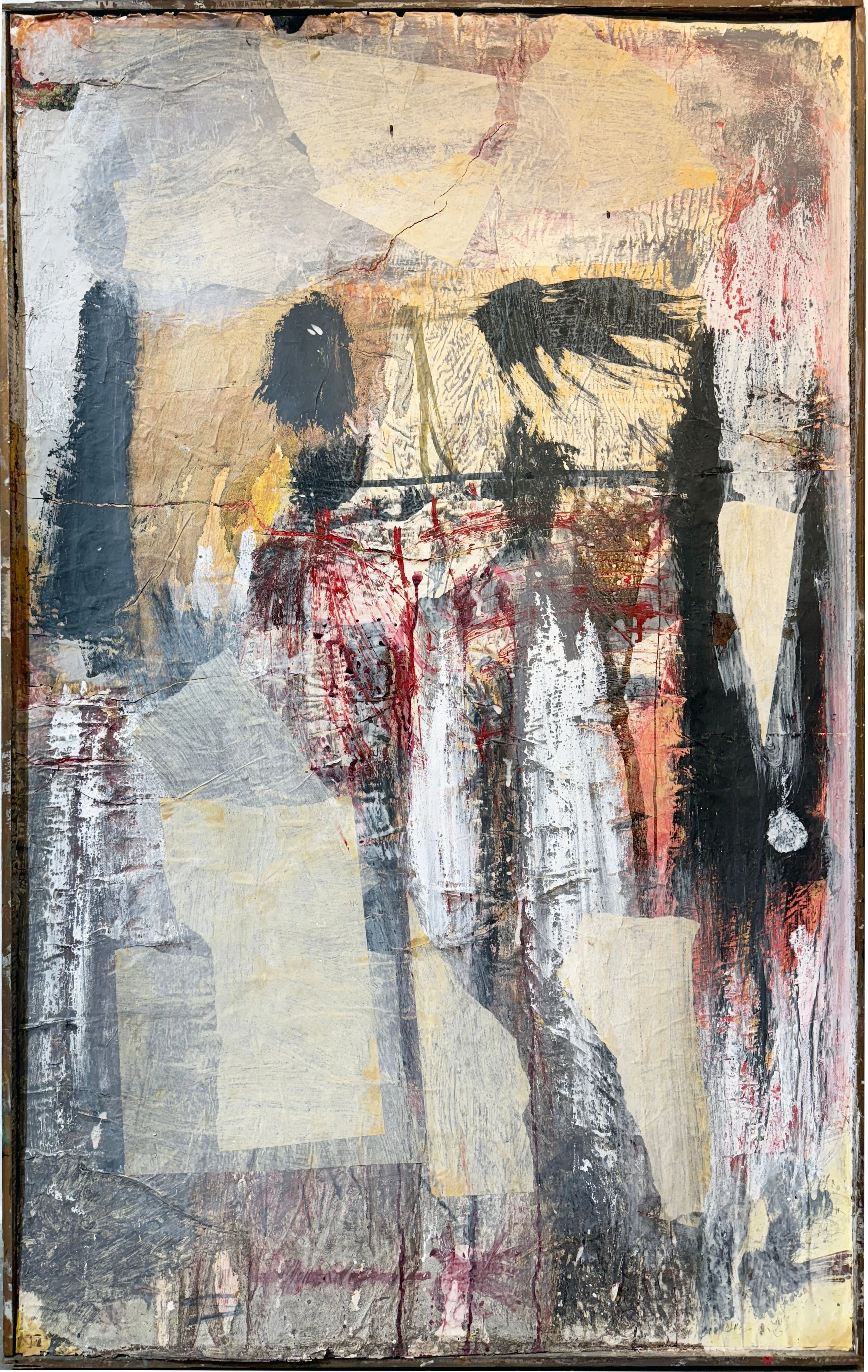
Roy De Forest, Fredie, 1957, Watercolor and paper on board, 44 x 28 in
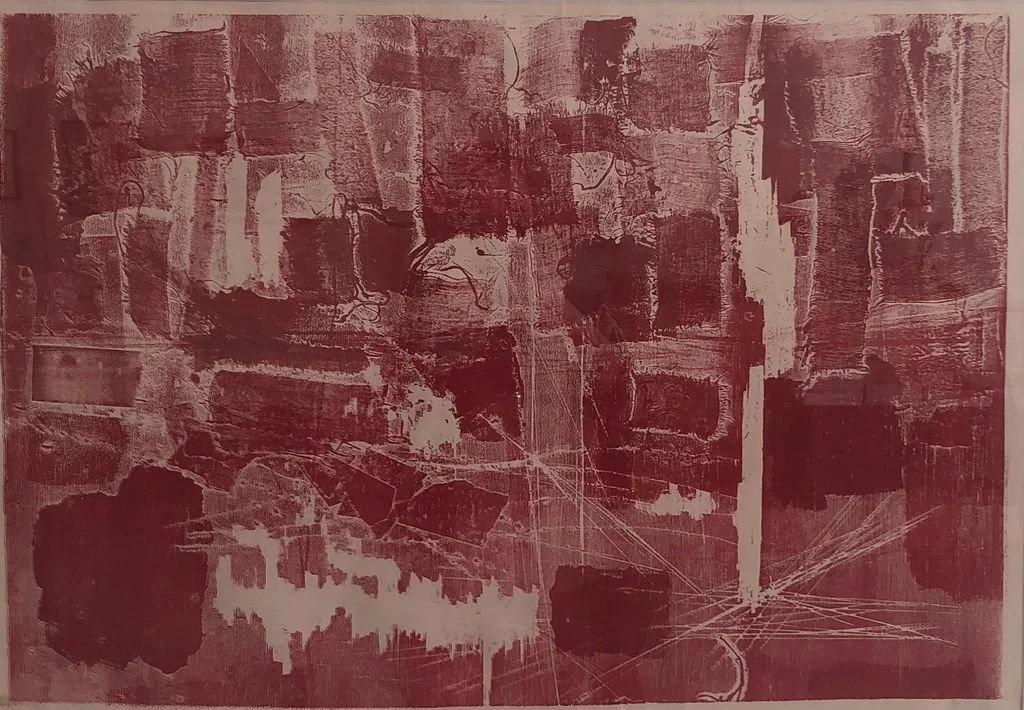
Roy De Forest, Red Abstraction, 1952 Lithograph, 19.5 x 28 in
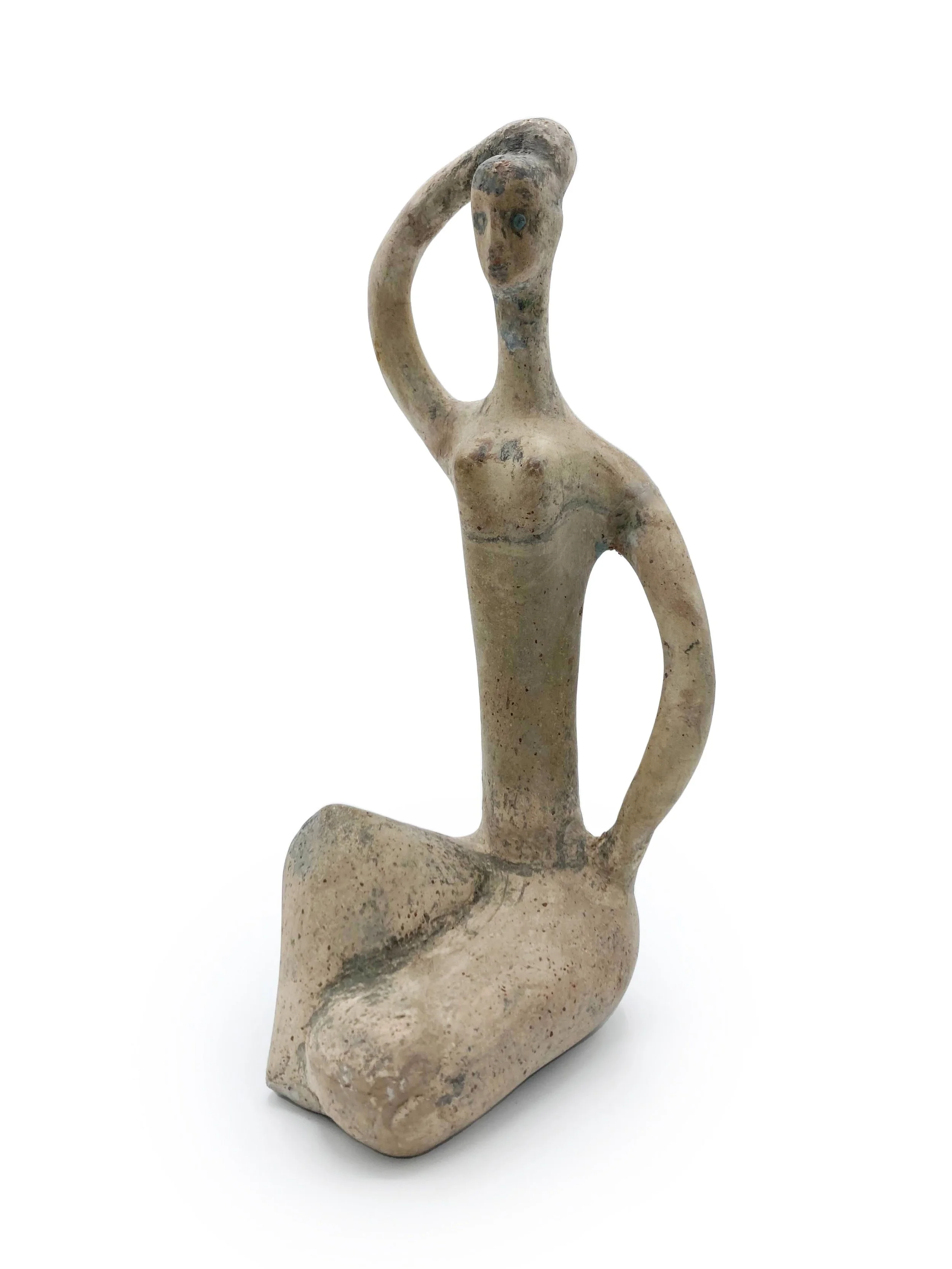
Miriam Hoffman, Untitled (Female Form), c. 1953, Ceramic and cement, 12 x 4.5 x 6 in
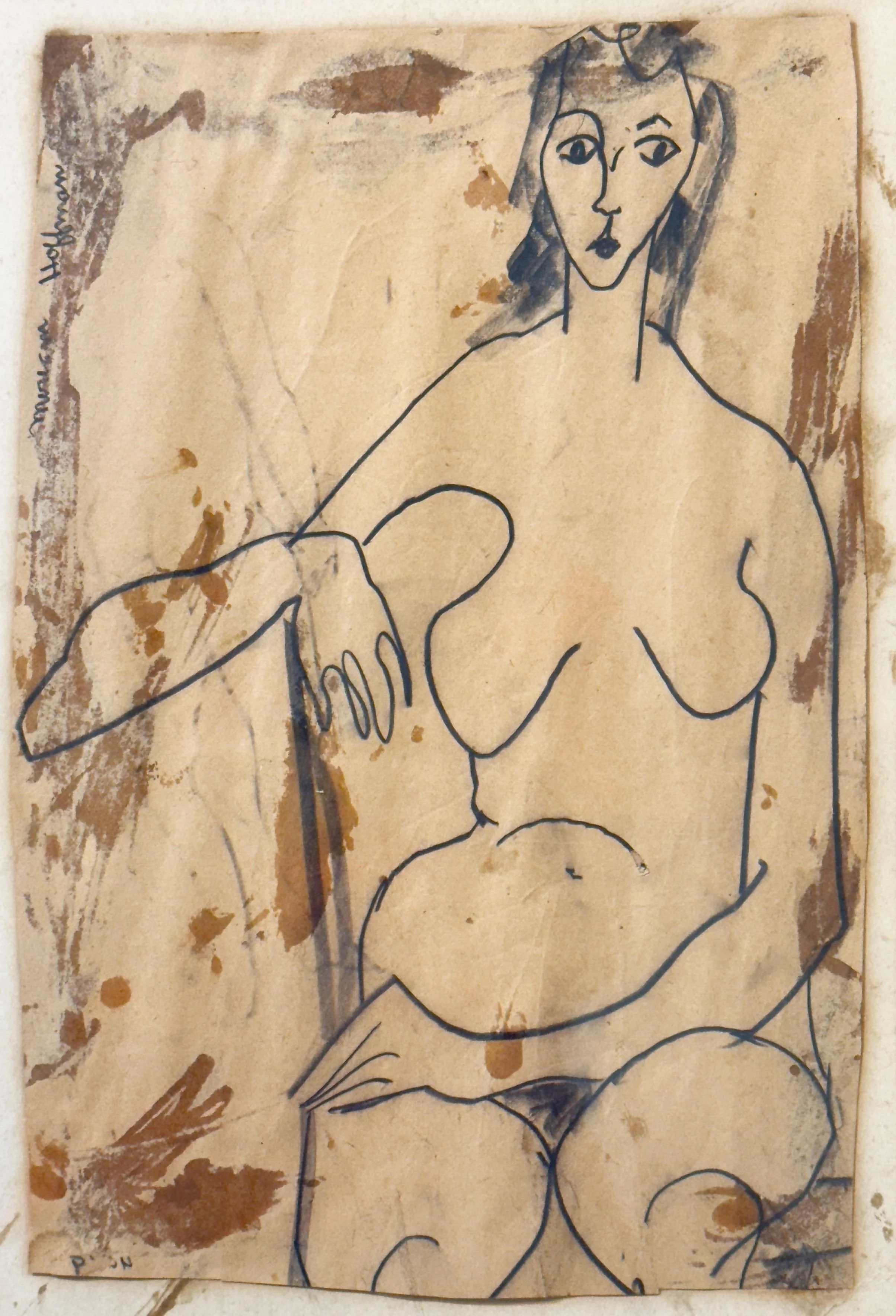
Miriam Hoffman, United, 1957, charcoal and ink on paper, 12 x 8.25 in
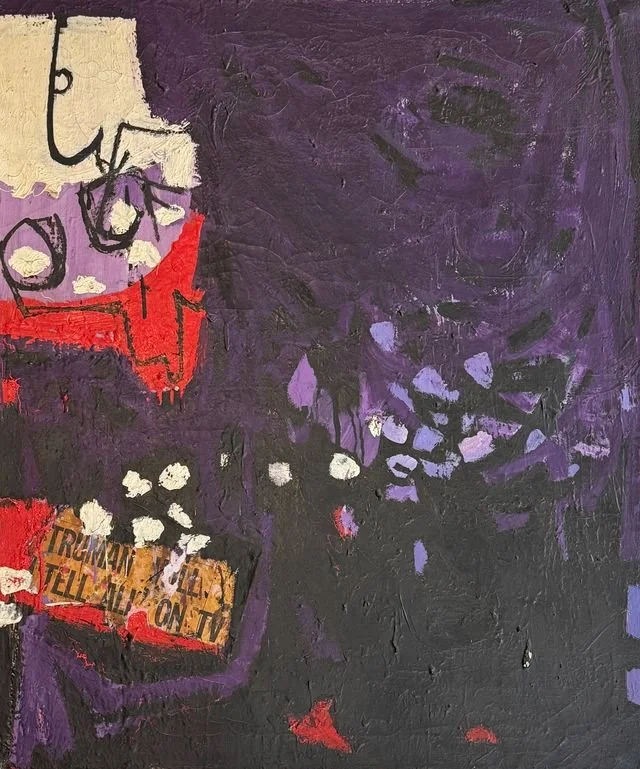
Madeleine Dimond, Truman, 1950, Oil and mixed media on canvas, 36 x 30 in
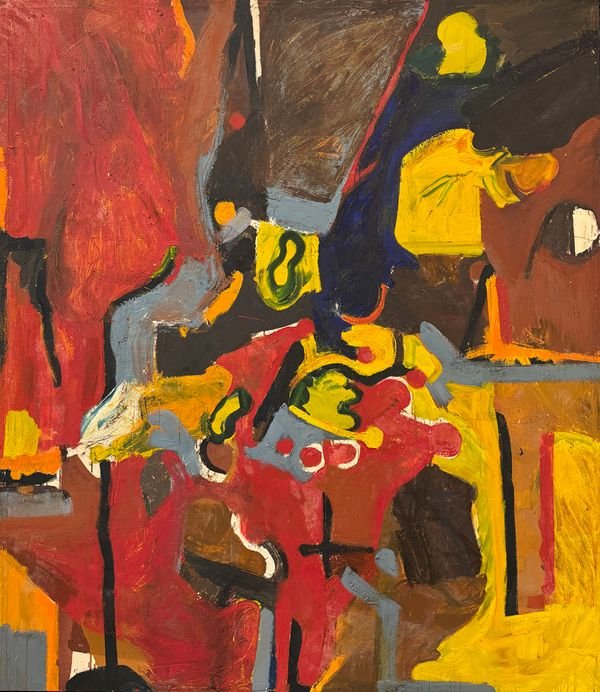
Jack Jefferson, Front Street, Harrington #3, 1964, Oil on canvas, 62.5 x 55.75 in
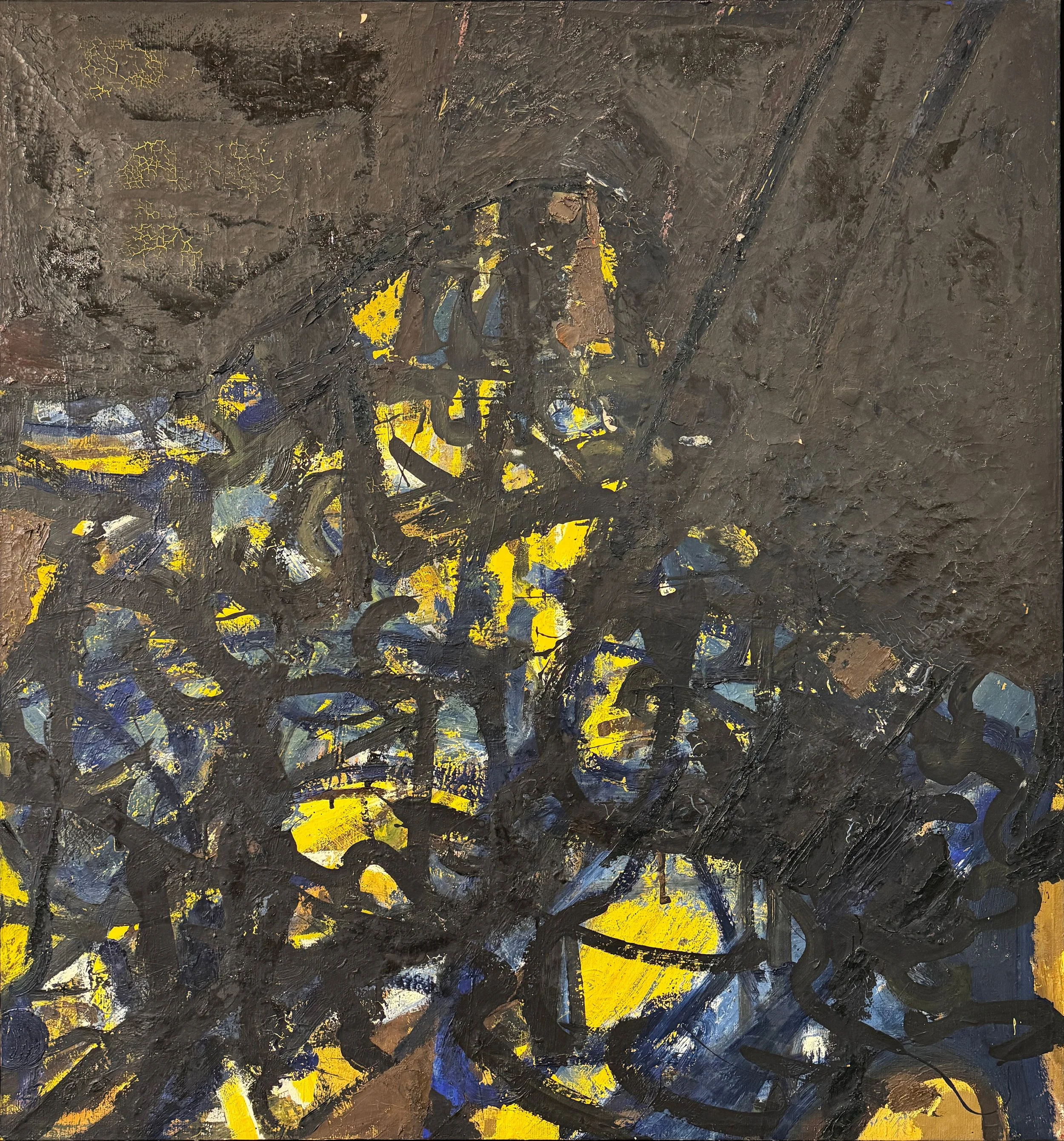
Jack Jefferson, Mission #9, 1956, oil on canvas, 58 x 52
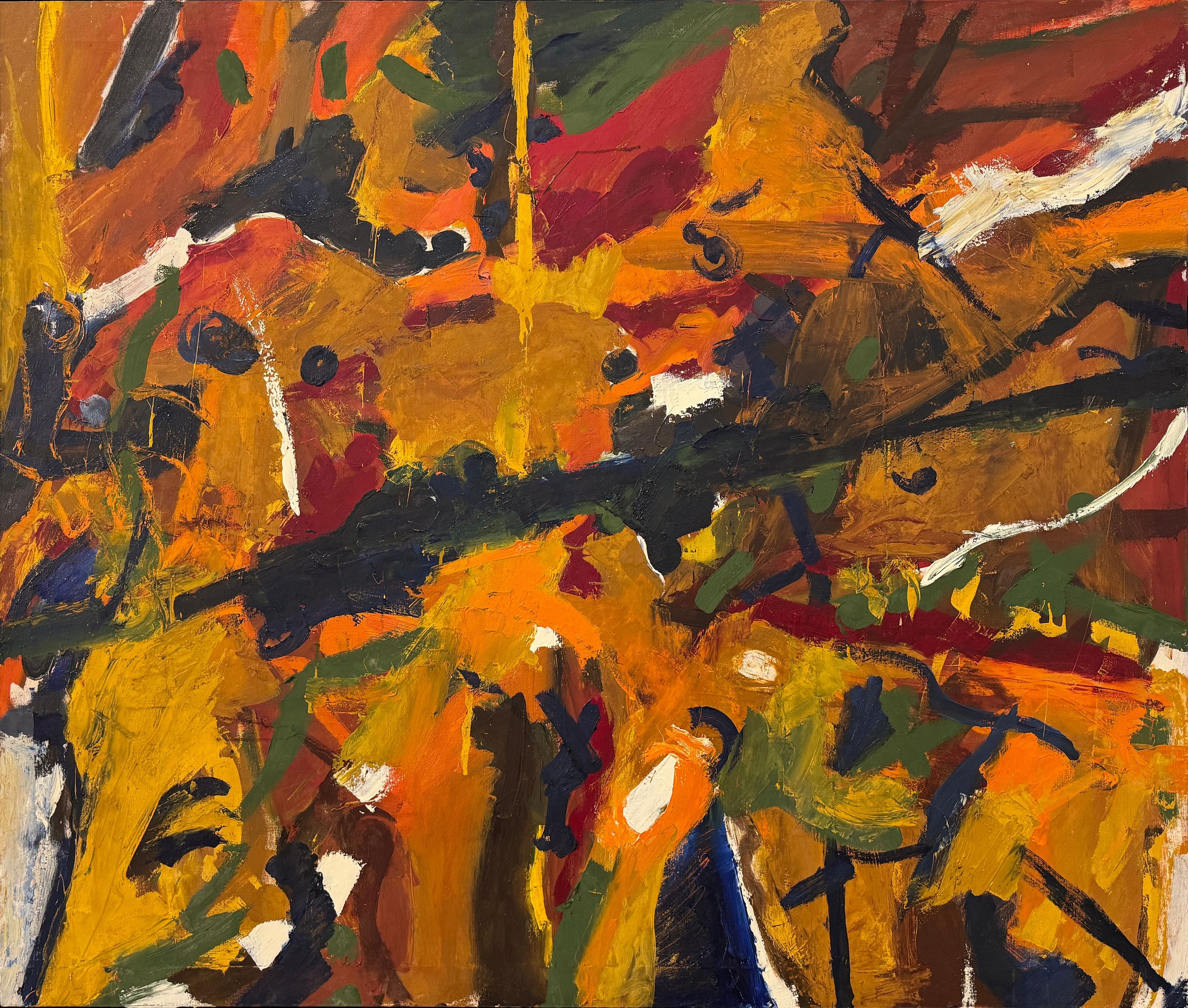
Jack Jefferson, Front Street, Harrington #1, 1964, oil on canvas, 49 x 58 in
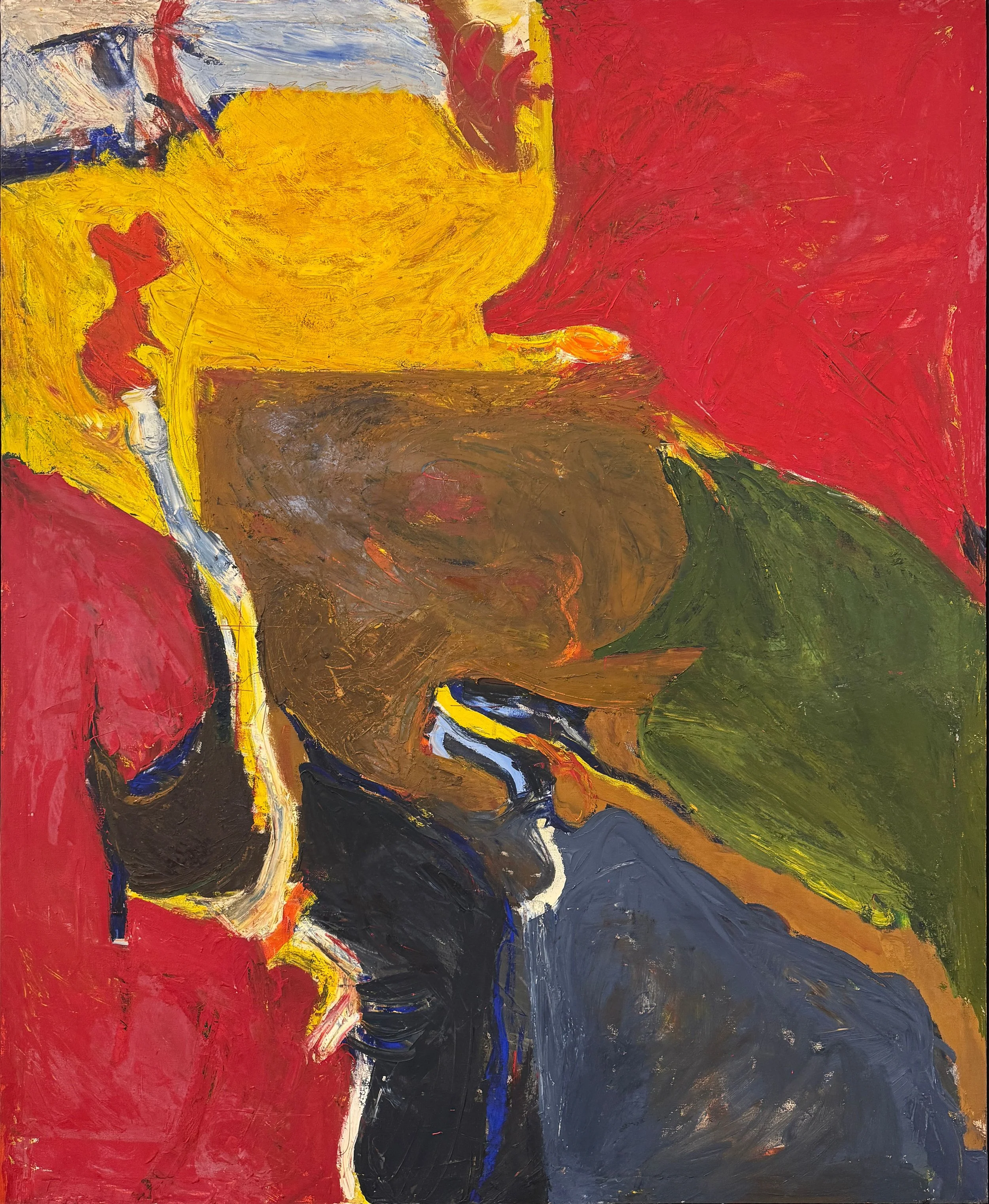
Jack Jefferson, Embarcadero #4, 1962, Oil on canvas, 74 x 60 in
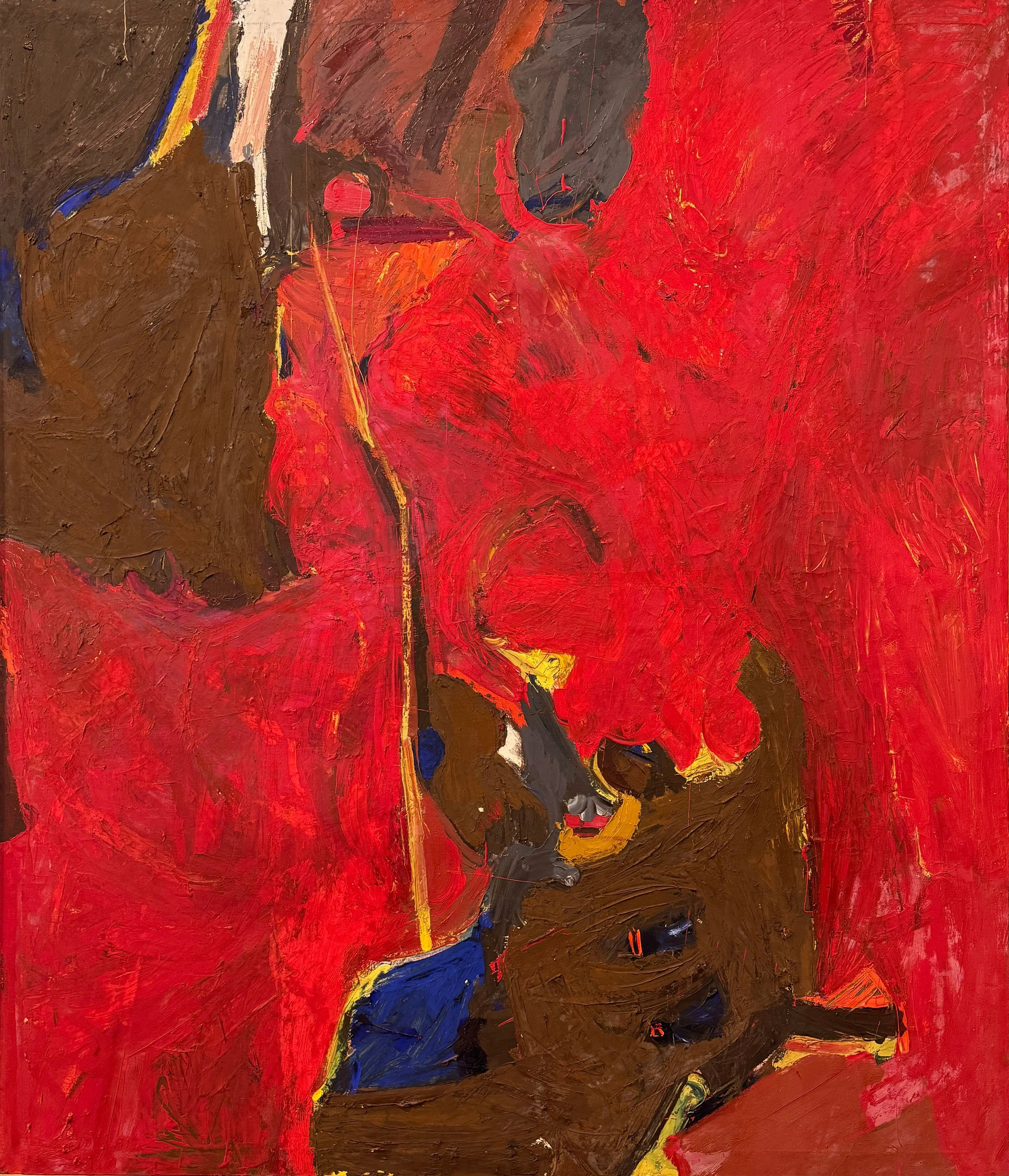
Jack Jefferson, Embarcadero #6, 1962, Oil on canvas, 72 x 63 in