
Funk Art Movement
Funk art: the art of the absurd, the ridiculous, the exaggerated. The term “funk” emerged from the Beat generation. Trumpet player Miles Davis, playing in a San Francisco jazz club said, “Man, that’s a funky note,” and painter and sculptor Manuel Neri, who was in the North Beach audience that night, paid attention. Along with his peers, Neri applied the term to his artwork. The Beat generation became the rebellious underbelly of the 50s, their experiments with lifestyle extending into written, musical and artistic creation.
Having roots in Bay Area Abstract Expressionism and San Francisco Beat art, the essence of the Funk movement was bred in TB-9 (Temporary Building 9) on the University of California, Davis campus. By the time faculty members Robert Arneson and William T. Wiley began using the term in reference to their art, the artistic style had developed into a resistance movement. The development of the Funk movement was in contrast to the work by artists such as Sol LeWitt, Donald Judd, Ellsworth Kelly, Carl Andre and Dan Flavin, who were quickly becoming pioneers of the New York minimalist art movement in the early 1960s. Responding to the New York minimalism and completely rejecting popular academic styles were concerns of the funk art movement. These California and West Coast artists were strongly influenced by the experimentation of the Beat generation, rejecting the stringent nature of minimalism. Their resulting work was overzealous in pursuit of form, color and subject matter. They were unafraid of making “bad” art in forging new paths of discovery. The Funk Art Movement flourished throughout the 1960s and 1970s, and it gave way to eras such as the “Bad Painting Movement” and others in the 1980s and 1990s.
As a son of a professor at UC, Davis, John Natsoulas grew up meeting and learning from many of the Funk artists who had led the movement. Roy De Forest and Robert Arneson were particularly influential in mentoring and advising Natsoulas during the earliest years of the gallery’s formation. Natsoulas gained his expertise in the Funk Movement by fostering these relationships, and continuously exhibiting and publishing about the Funk Movement over the last 40 years.
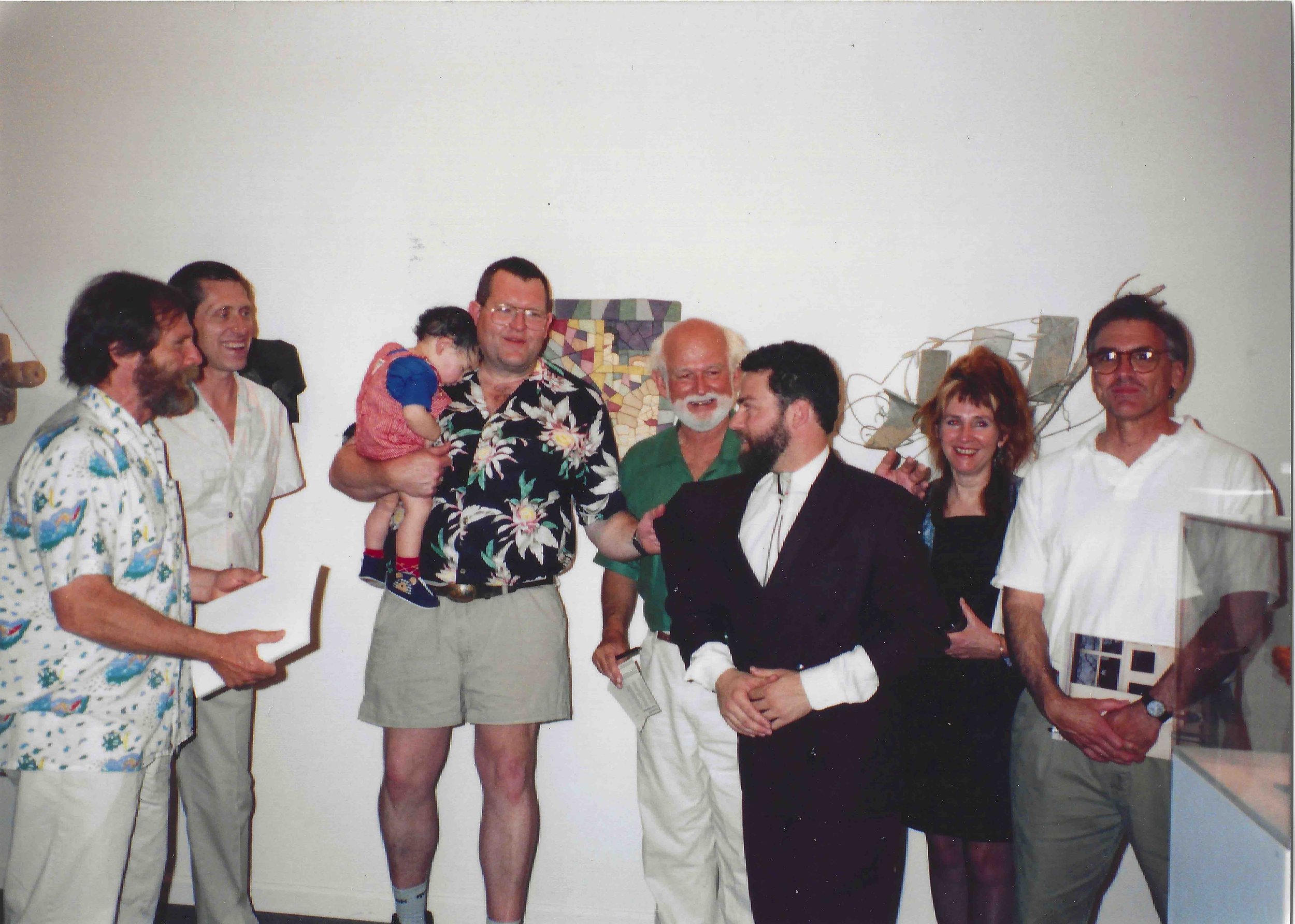
Left to Right: Peter VandenBerge, Stephen Kaltenbach, Kiril Gilhooly, David Gilhooly,
Robert Arneson, John Natsoulas, Margaret Dodd, Chris Unterseher, 1991
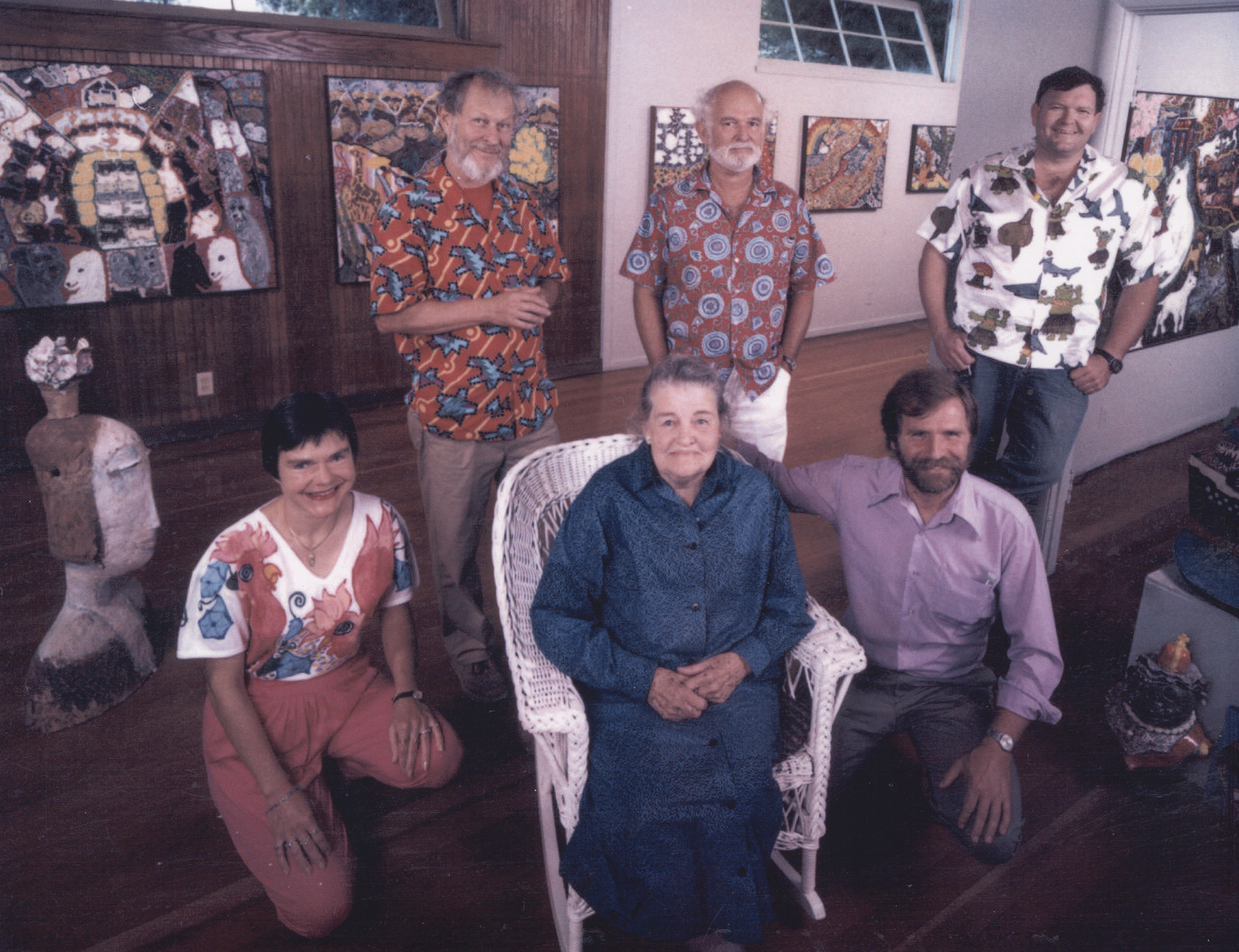
Back: Roy De Forest, Robert Arneson, David Gilhooly, Front: Maija Peeples-Bright, Adeliza McHugh, Peter VandenBerge
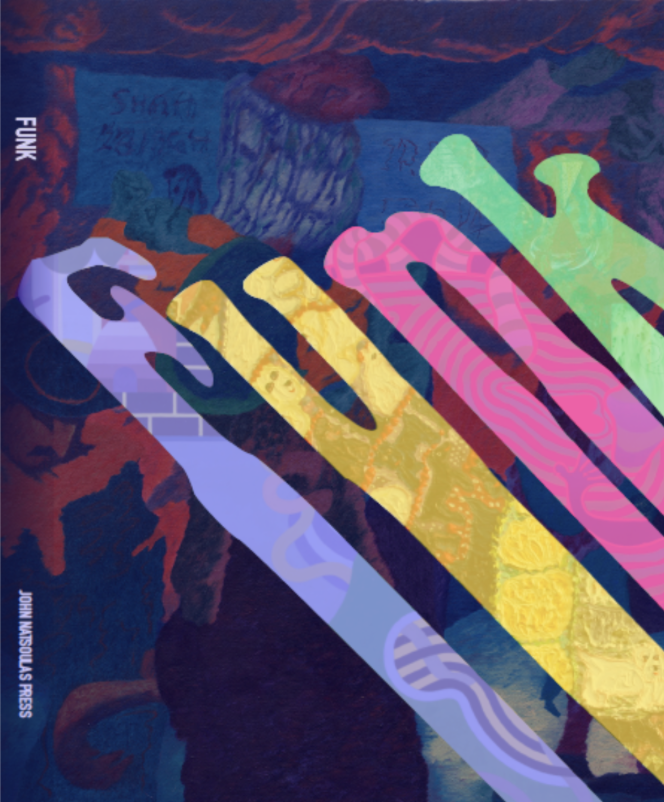
Faces of Funk
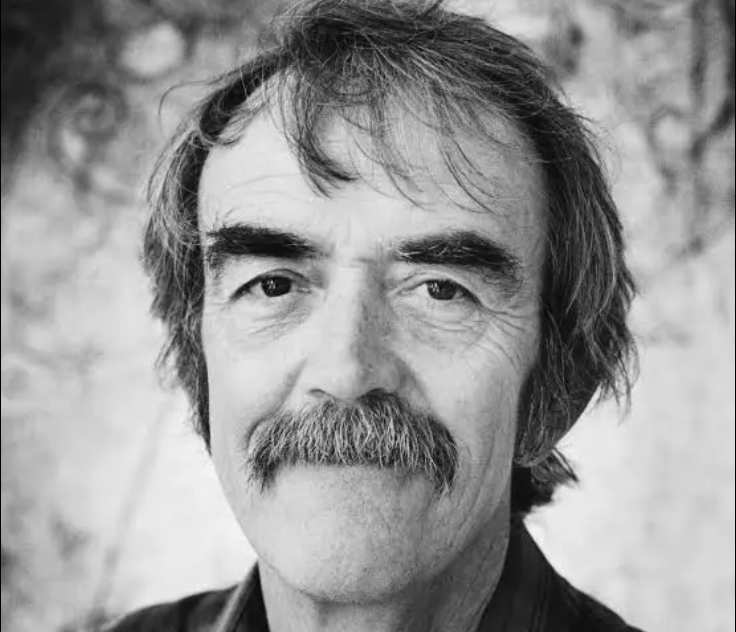
William T. Wiley
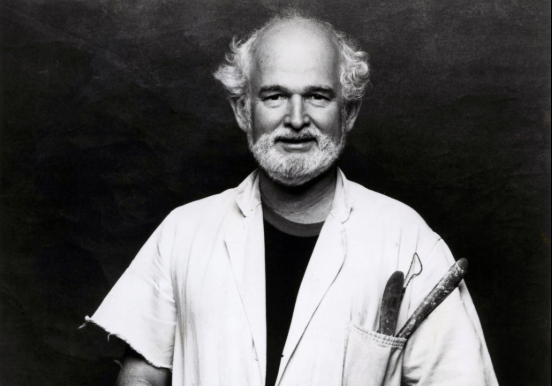
Robert Arneson
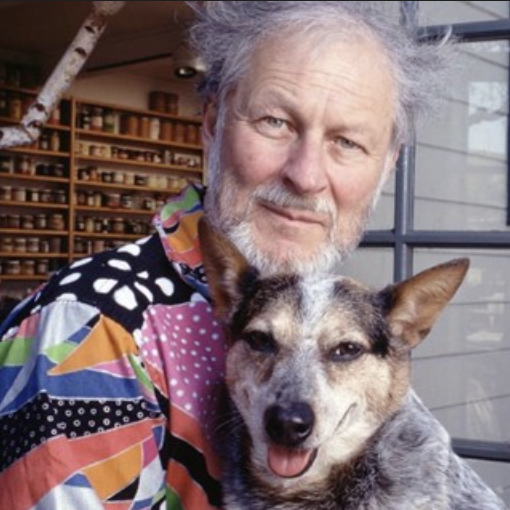
Roy De Forest
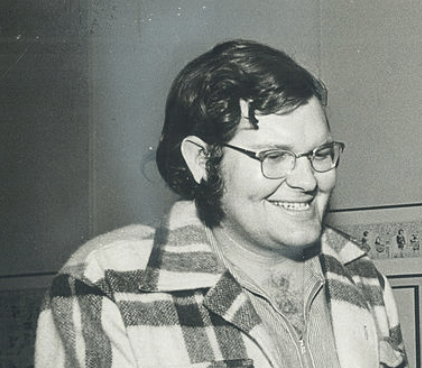
David Gilhooly
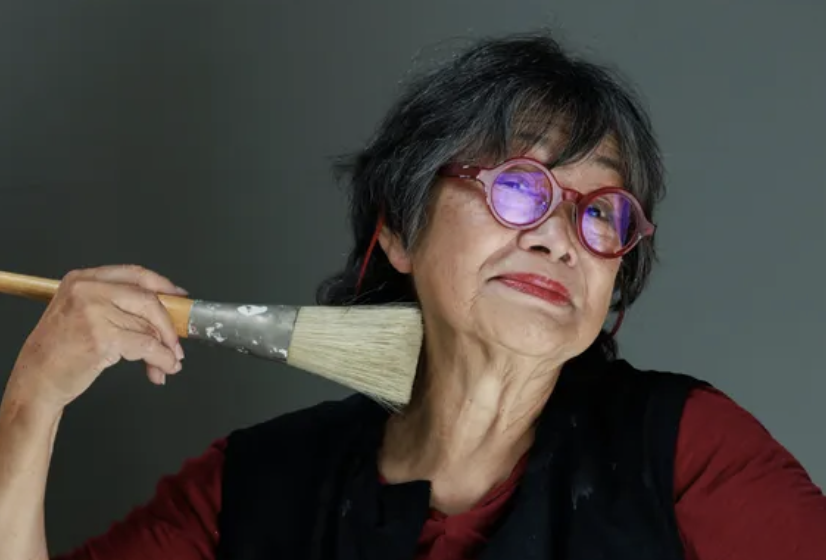
Patti Warashina
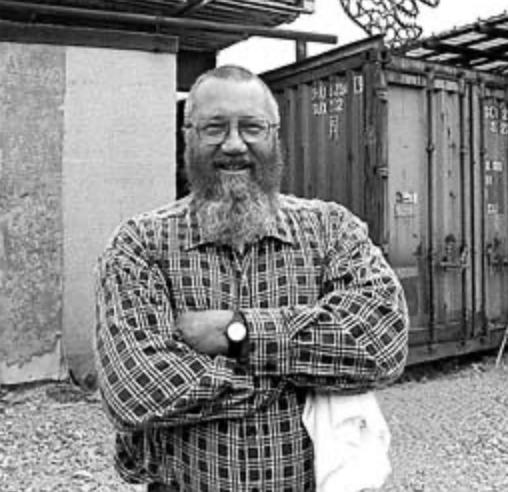
Mark Bulwinkle

Gladys Nilsson

Clayton Bailey
Funk on View
The John Natsoulas Gallery regularly exhibits works by premier Funk artists, and John Natsoulas frequently curates exhibitions about the movement, including the 2022 show “California Funk to Figuration: A New Narrative Mythology”
Funk Art Available Now
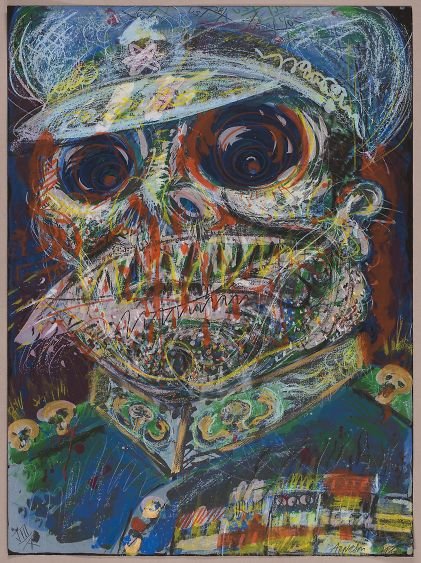
Robert Arneson, The Colonel's at it Again, 1986, lithograph, 38 x 28 in
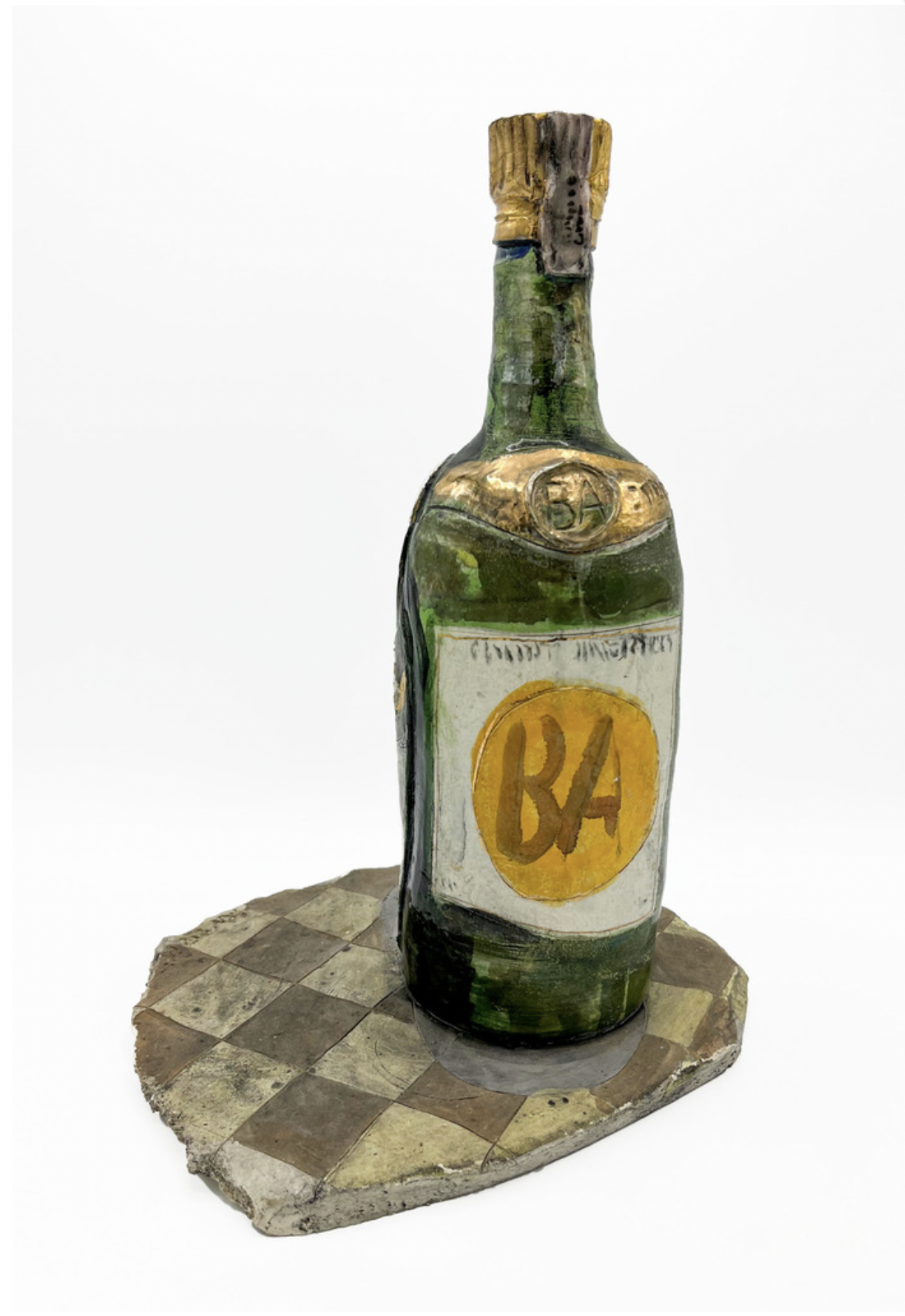
Robert Arneson, Chianti Bottle, 1965, ceramic, 12.5 x 8.5 x 8.5 in
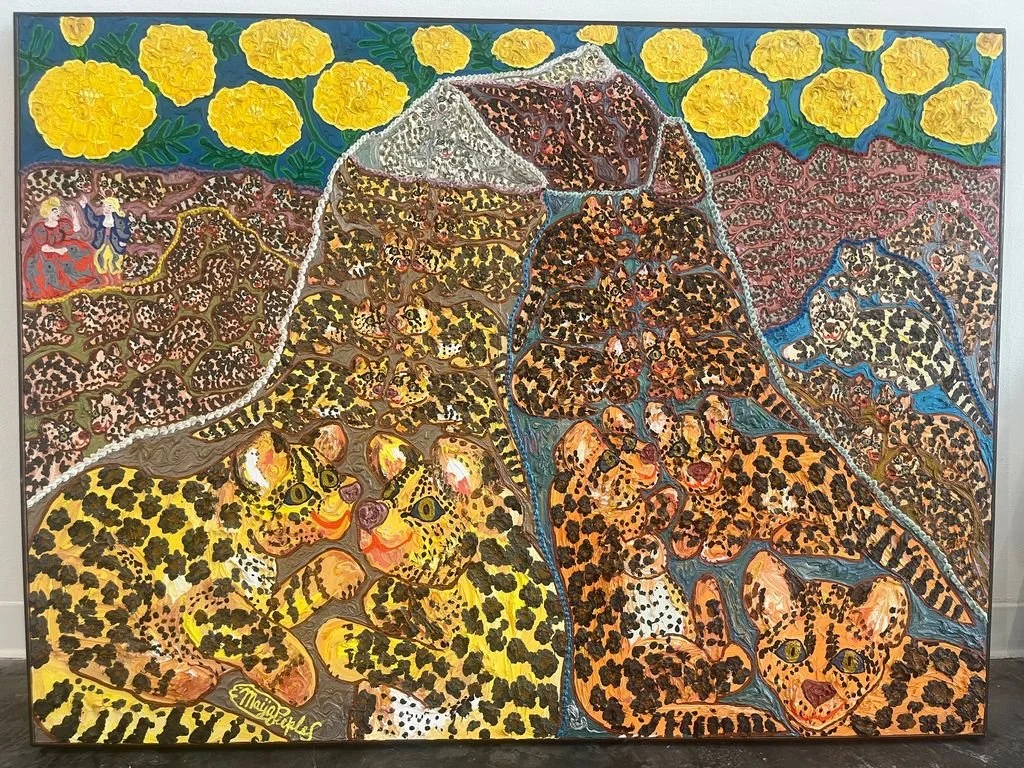
Maija Peeples-Bright, Margay Matterhorn with Marigolds and Marlin Minuetists, c. 1982, oil on canvas, 41 x 55 in
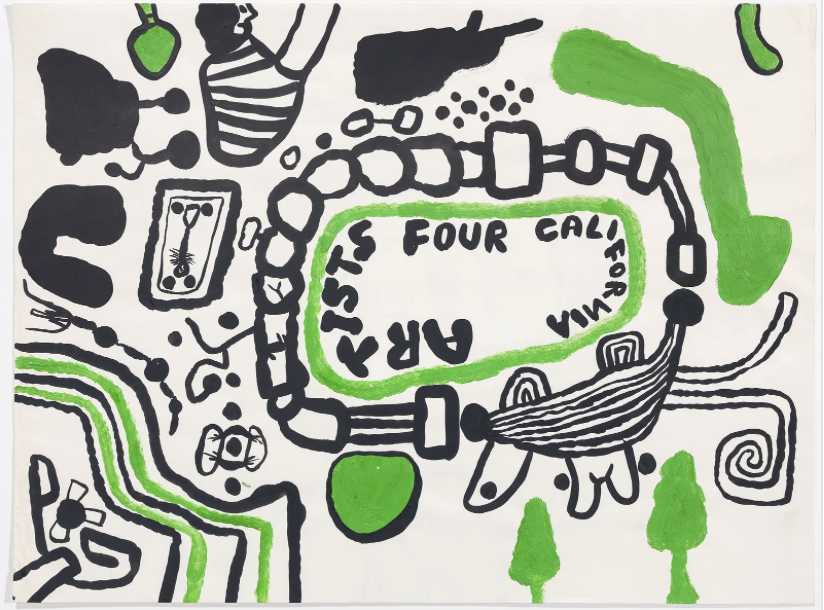
Roy De Forest, Artists Four California, c. 1960s, tempera on paper, 18.125 x 24 in
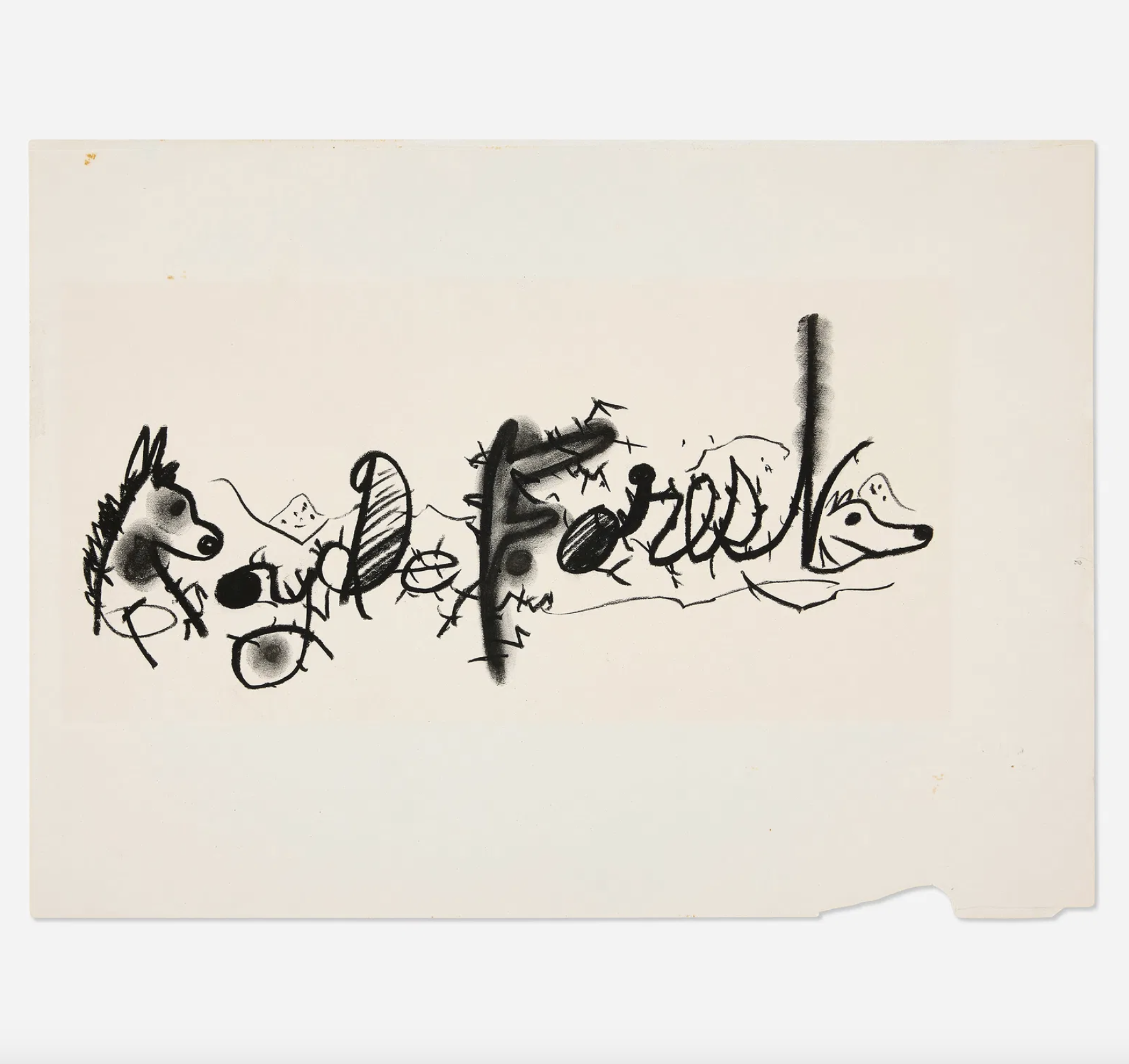
Roy De Forest, Untitled Signature Drawing, 1977, charcoal on paper, 11 x 15
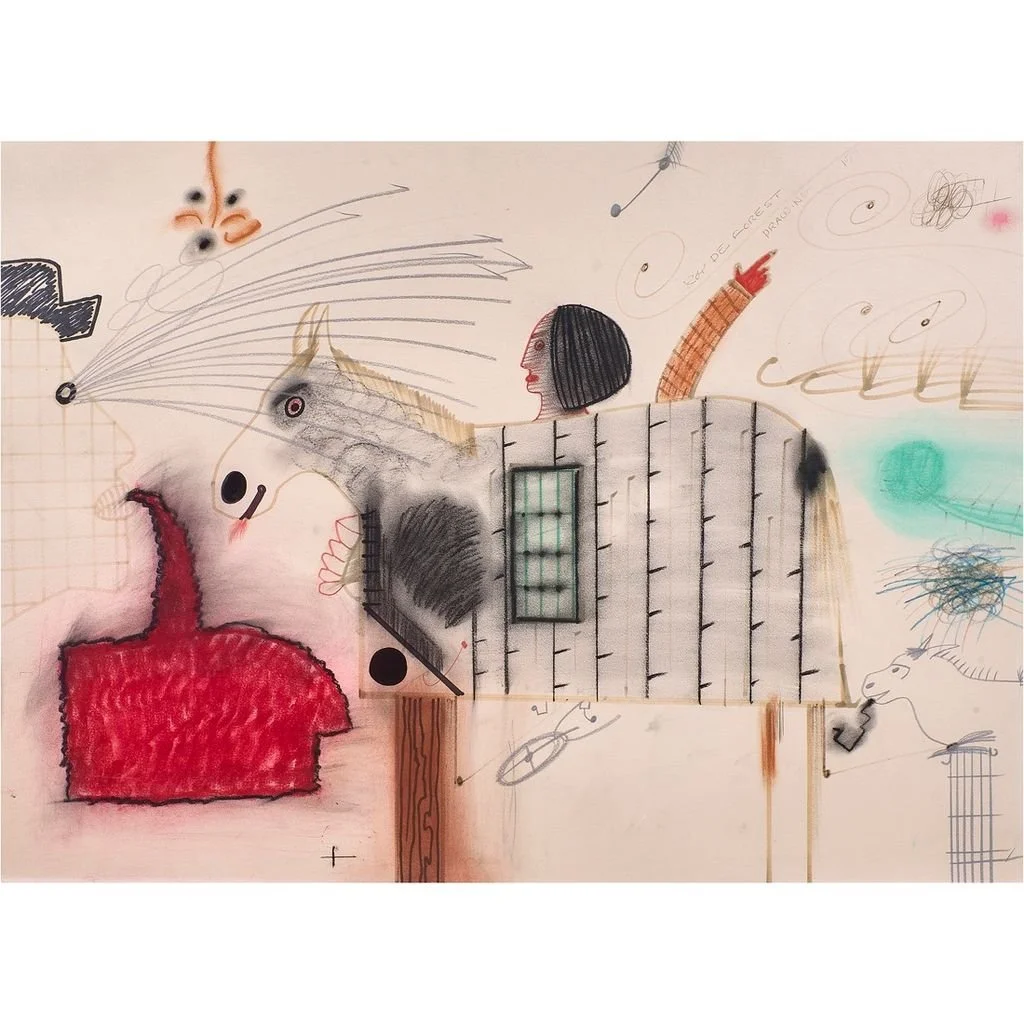
Roy De Forest, Horse Sense, 1971, drawing on paper, 21.25 x 29.5 in
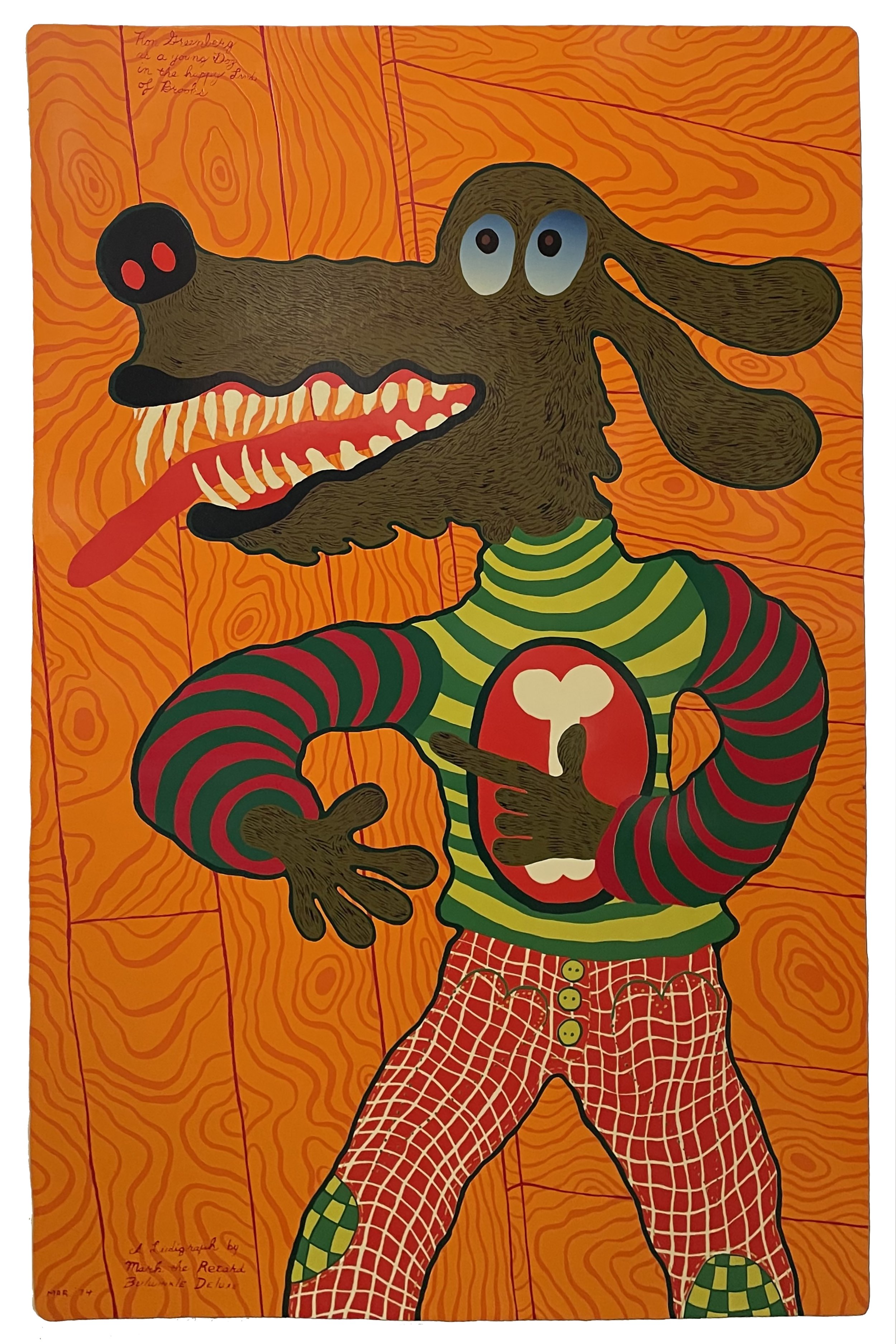
Mark Bulwinkle, Ron the Dog, 1974, enamel print, 60 x 40 in
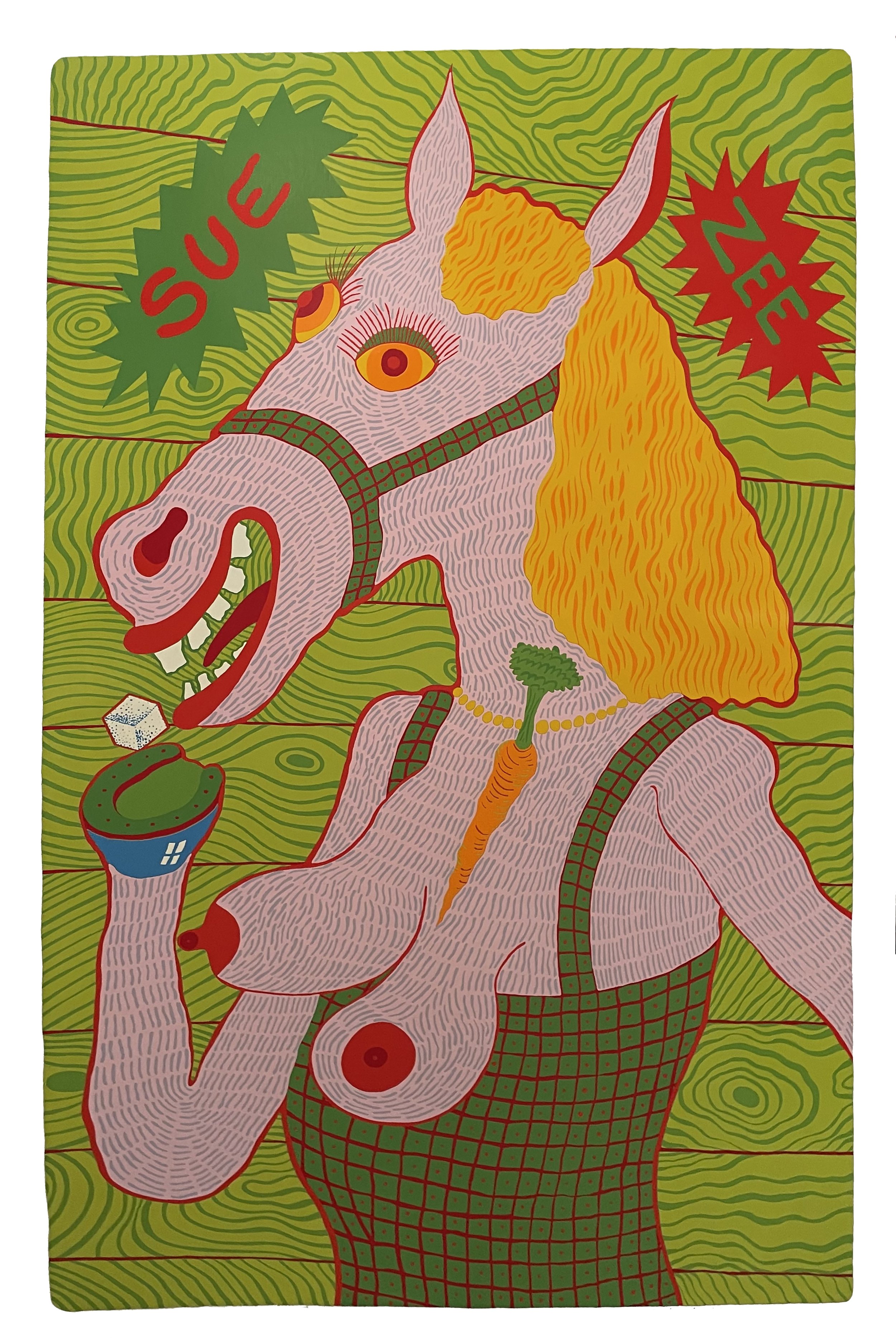
Mark Bulwinkle, Sue the Horse, 1974, enamel print, 60 x 40 in
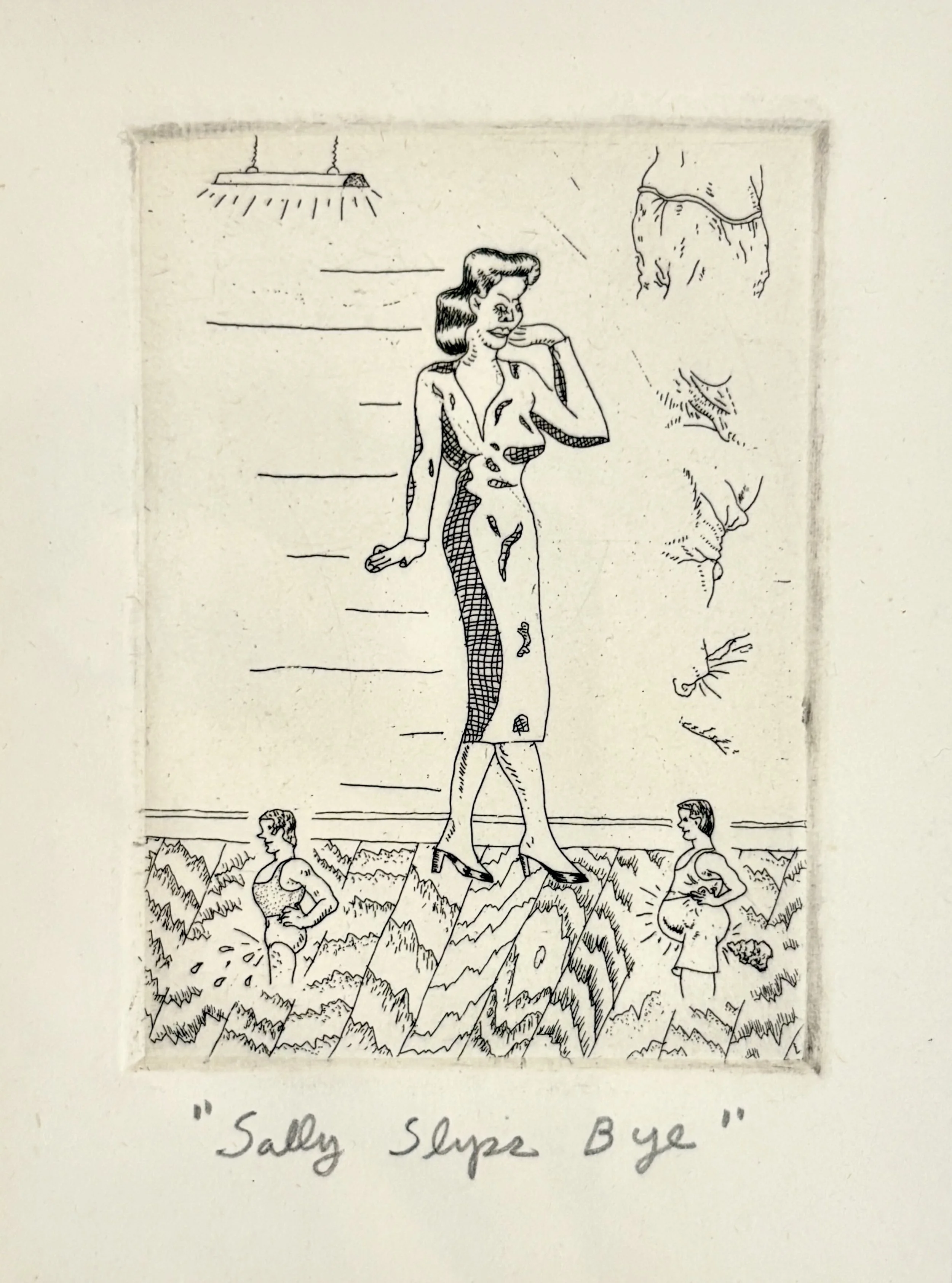
Jim Nutt, Sally Slips Bye-Bye, 1967-68, etching, 3.25 x 2.37 in
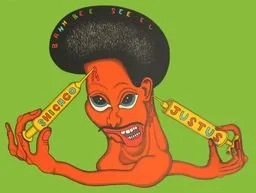
Peter Saul, Shicago Justus, 1971, lithograph, 18 x 24 in
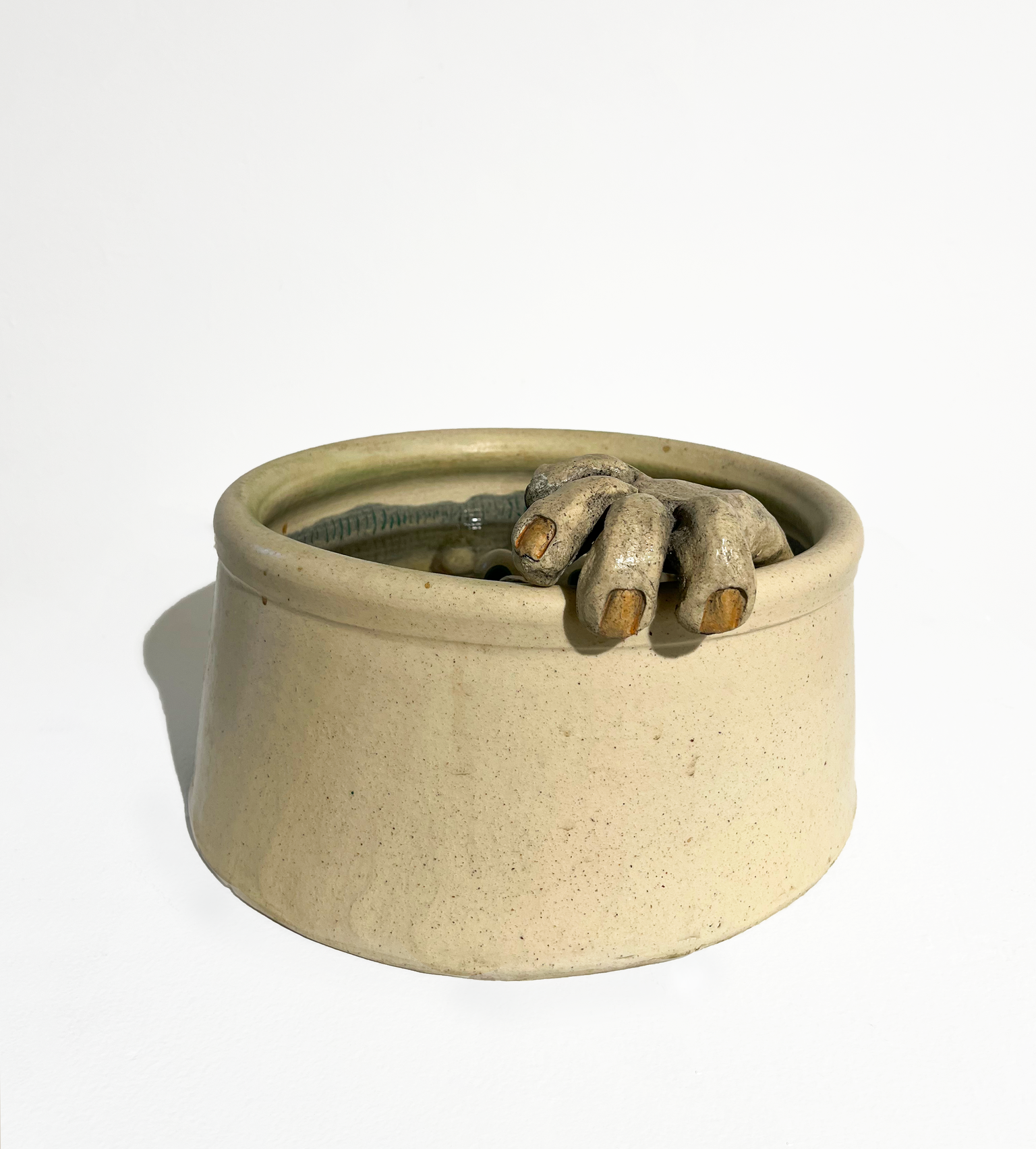
Clayton Bailey, Specimen Bowl, 1969, ceramic and water pump, 12 x 12 x 6.5 in
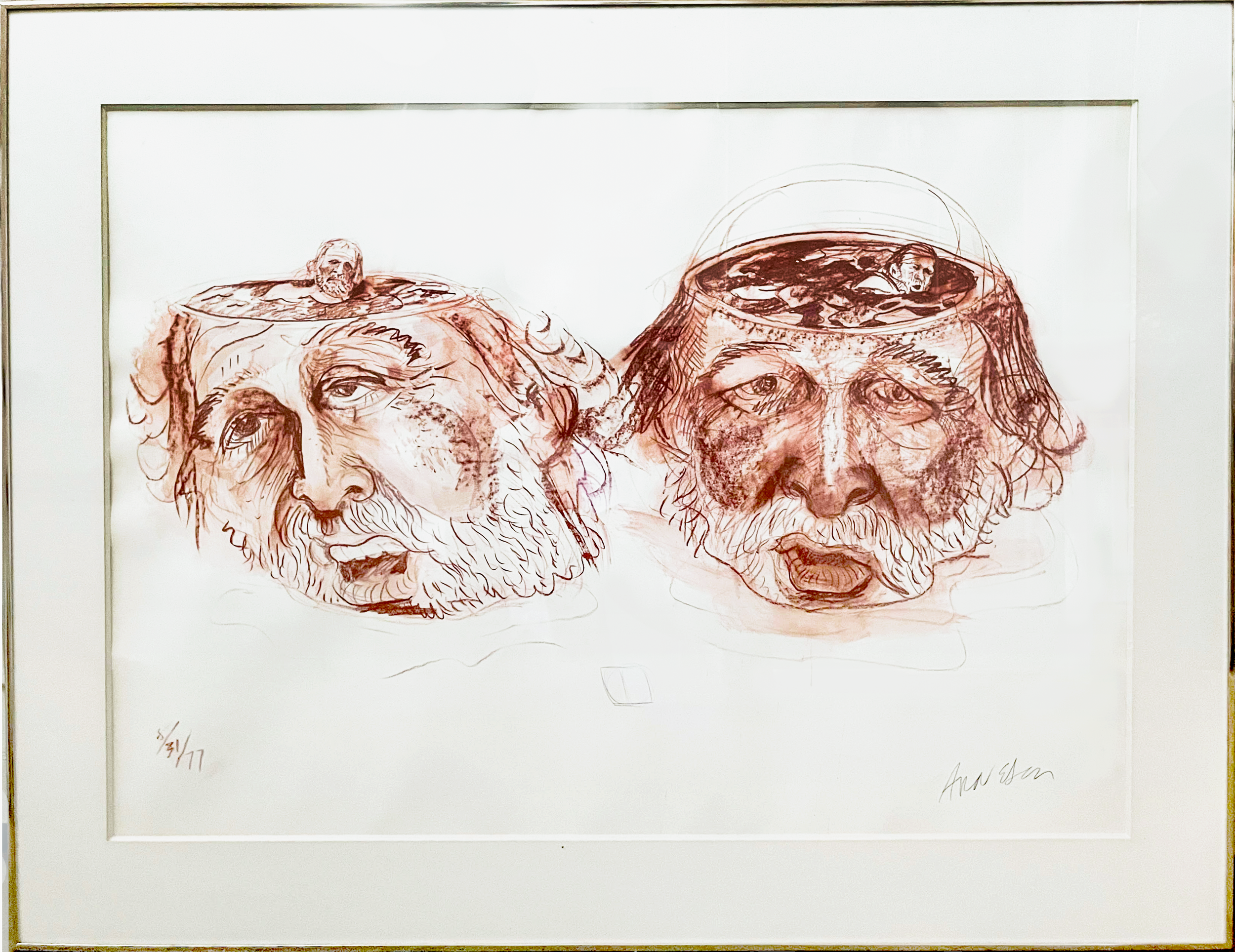
Robert Arneson, Double Head Bath, 1977, conte crayon on paper, 29.9 x 40 in
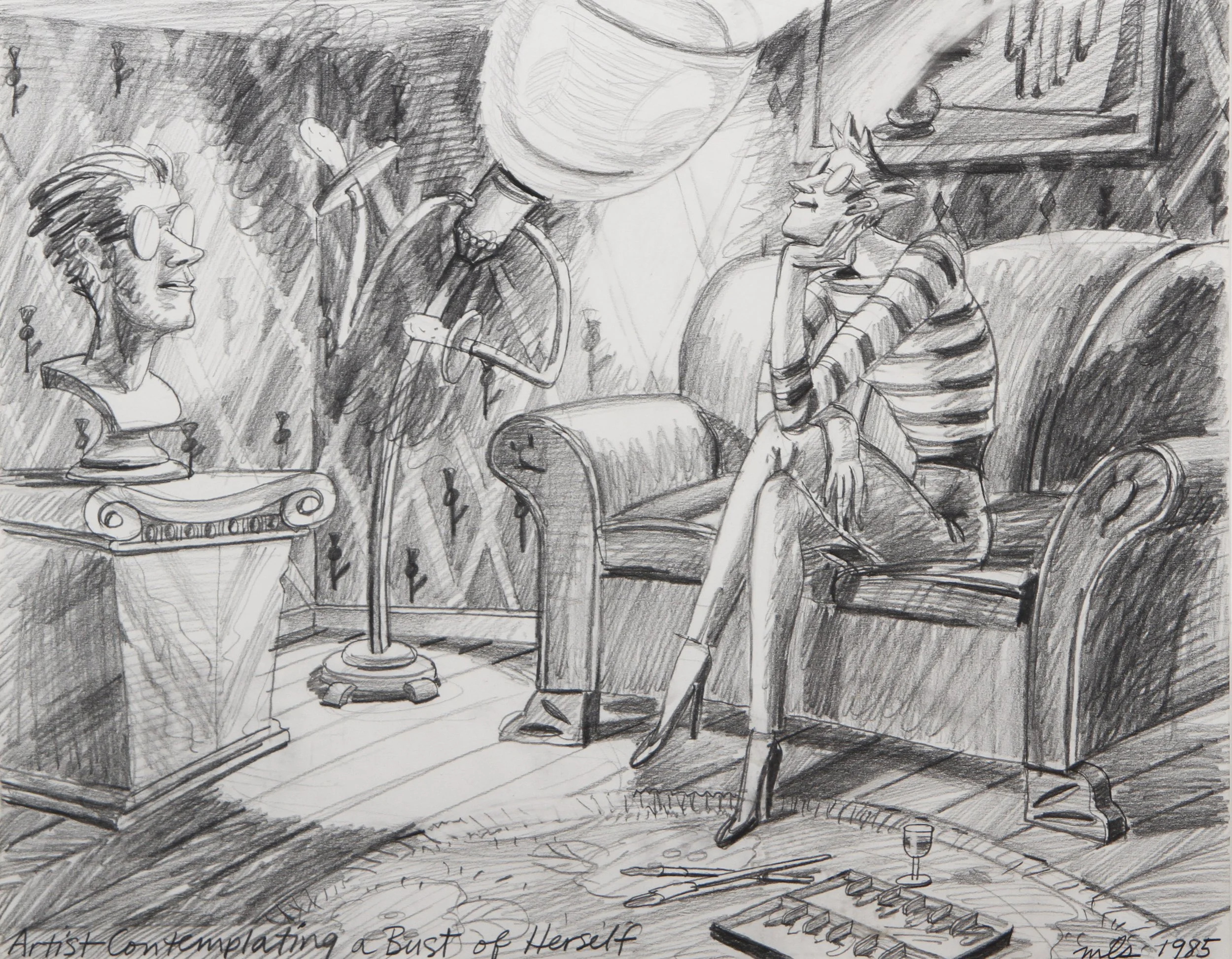
M. Louise Stanley, Artist Contemplating a Bust of Herself, 1985, pencil on paper, 11 x 14 in
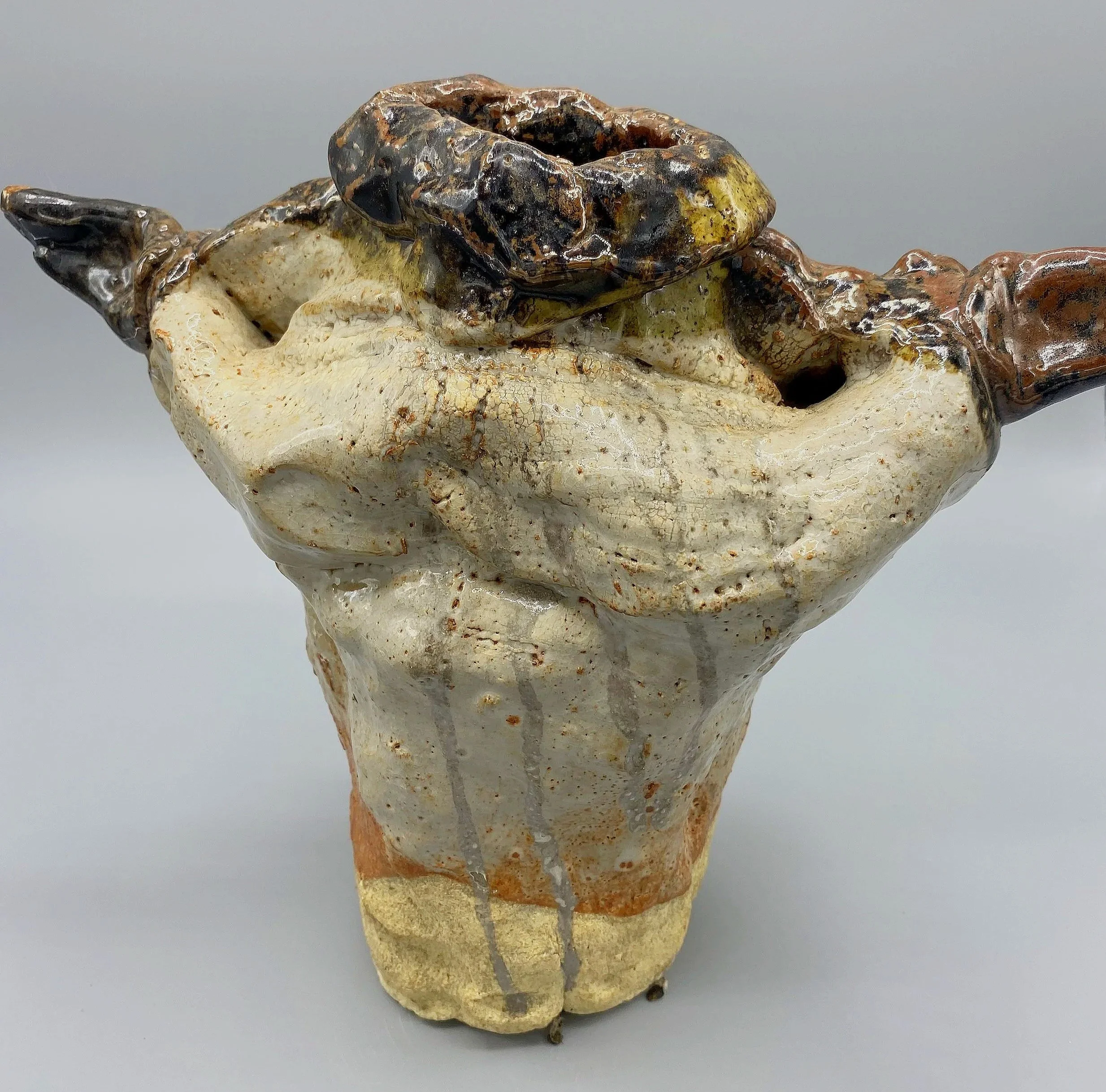
Jim Adamson, Funk Trophy, 1967, ceramic, 10 x 11 x 4 in
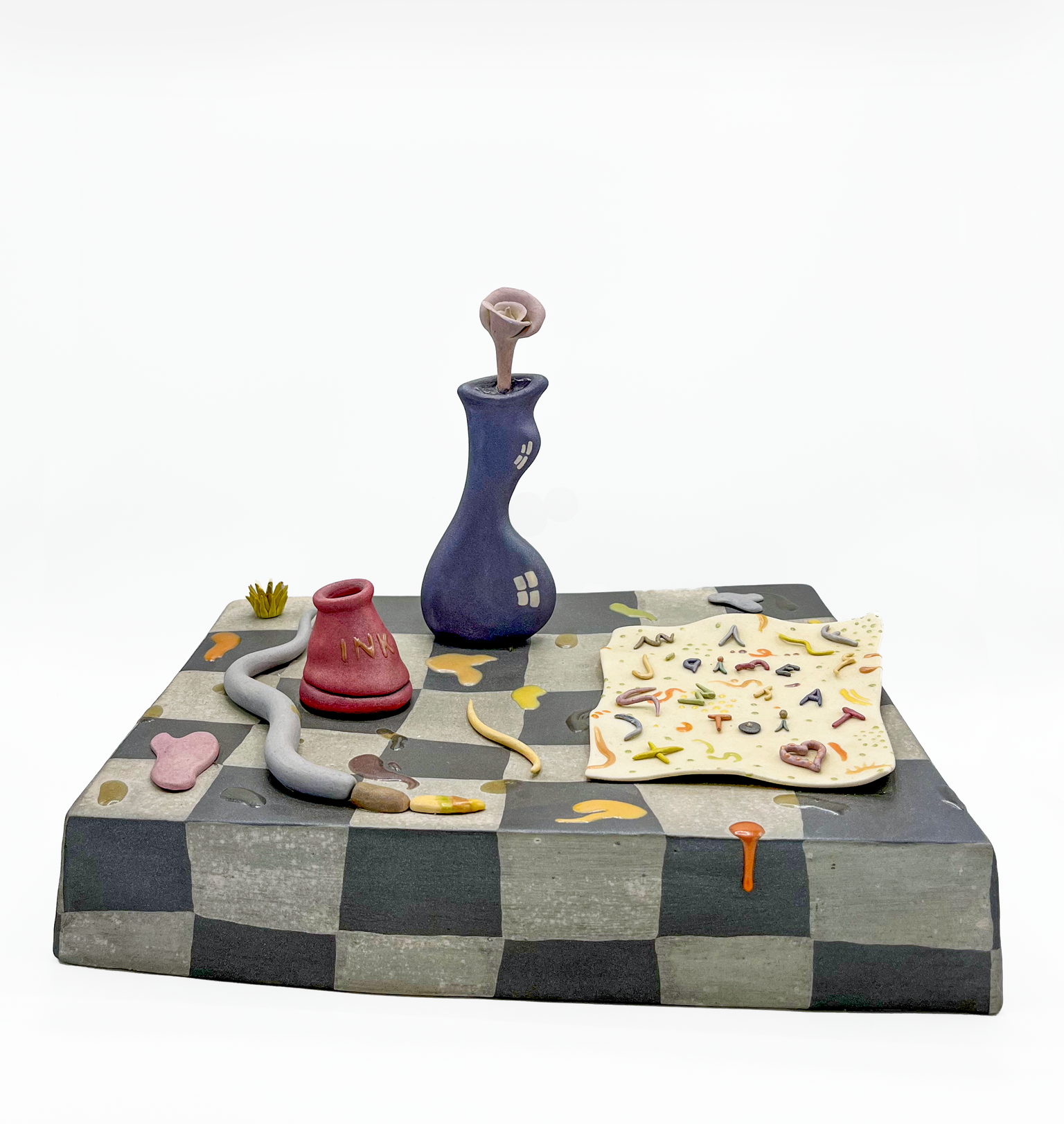
Tom Rippon, J'aime What Toi, 1982, ceramic, 13.5 x 11 x 10 in
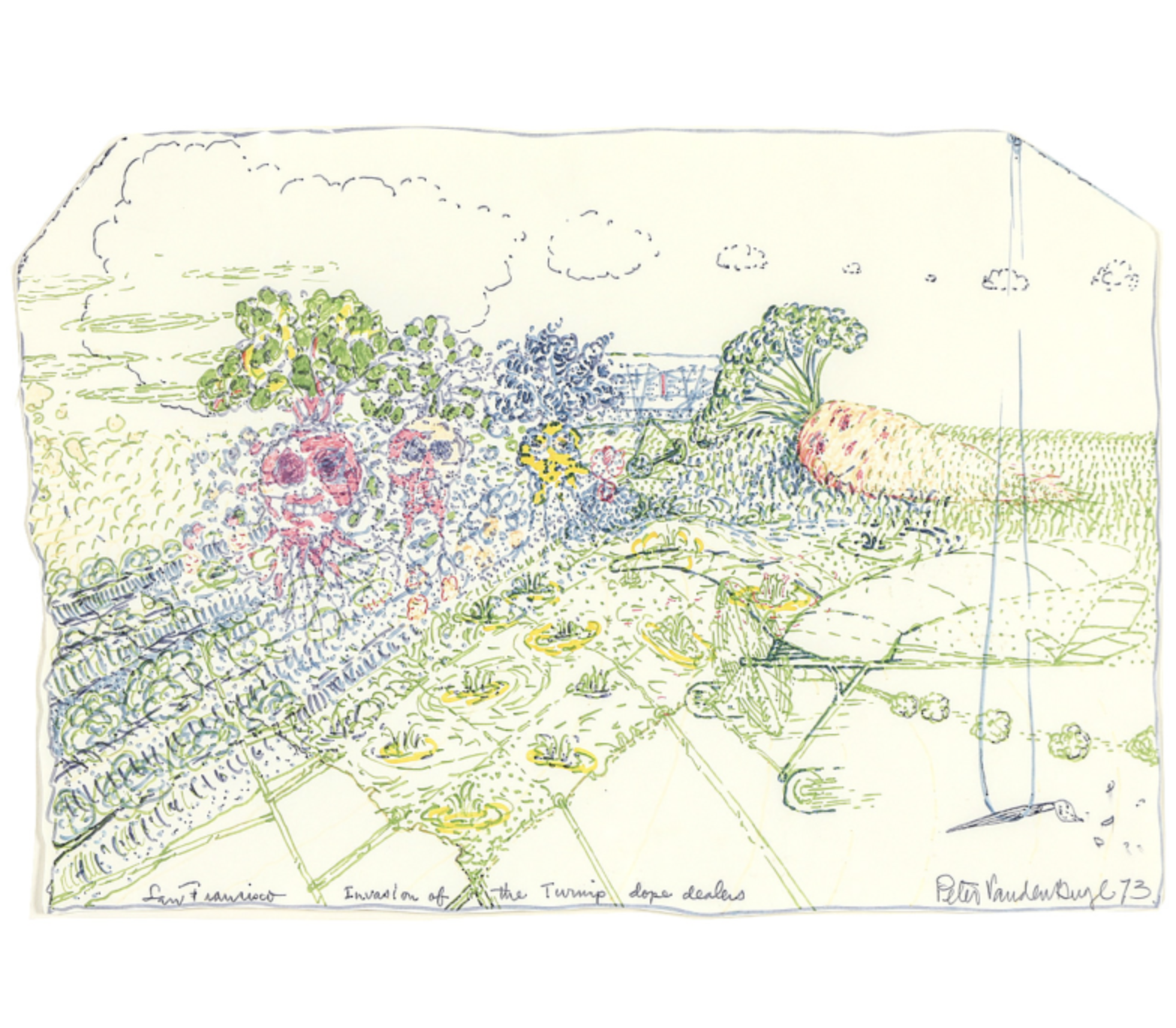
Peter VandenBerge, San Francisco, Invasion of the Turnip Dope Dealers, 1973, pen and ink on paper, 9 x 13 in
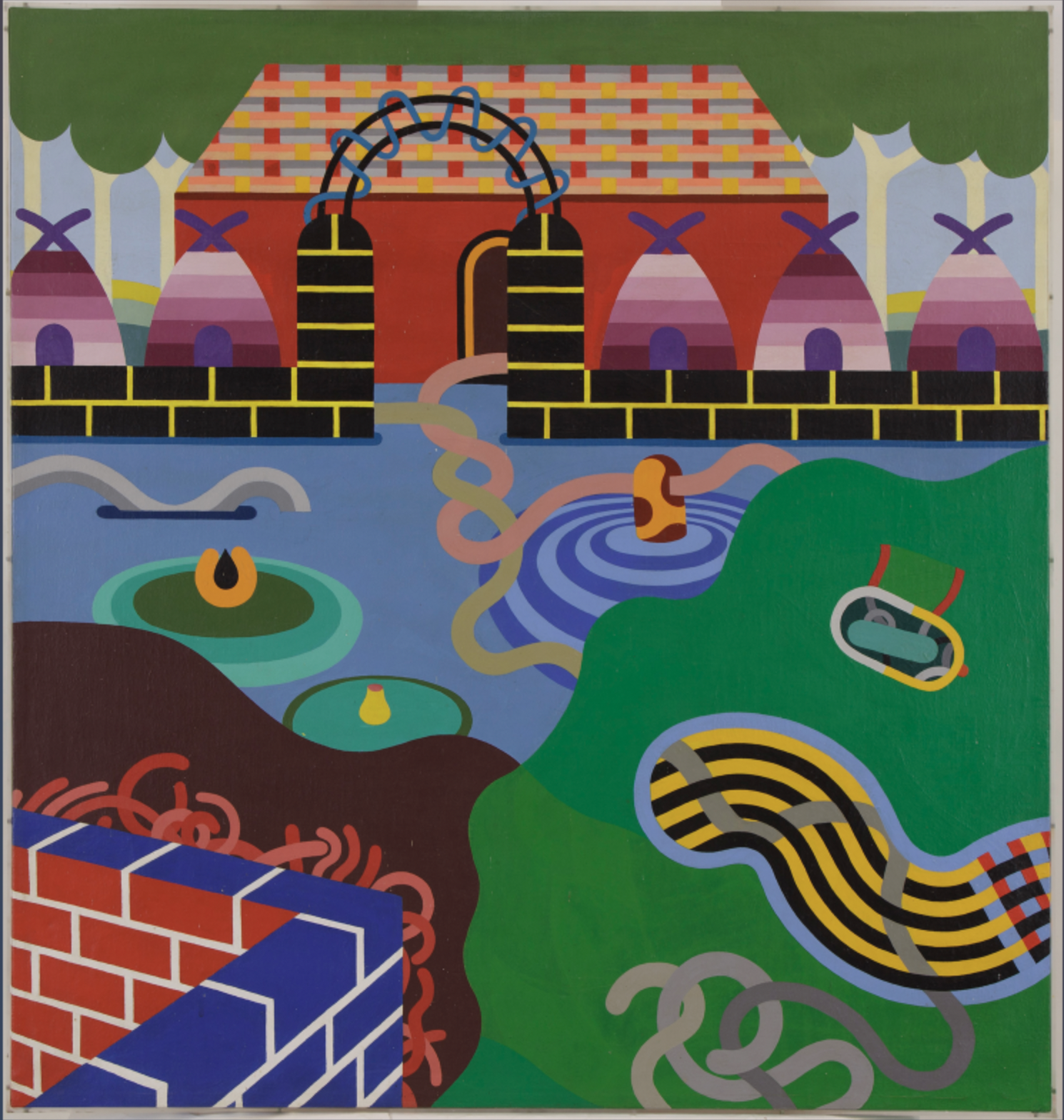
Harold Schlotzhauer, Putah Creek, 1968, Oil on canvas, 36 x 34.5 in
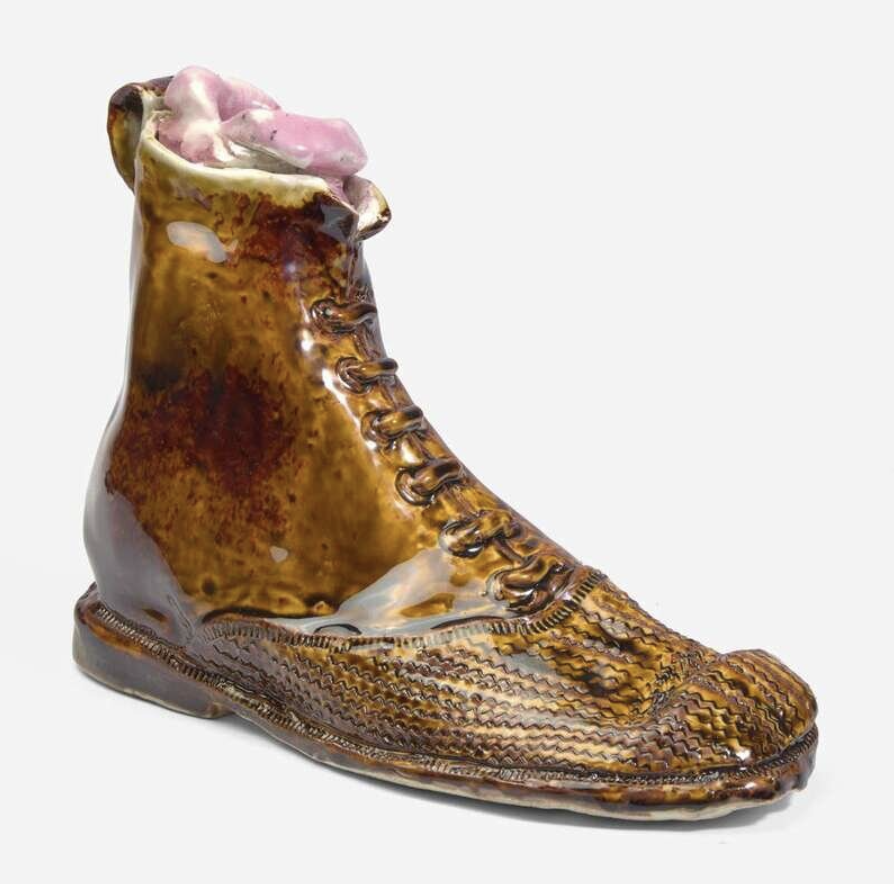
Victor Cicansky, Shoe, 1970, Ceramic, 9 x 6.5 x 4 in